Waste segregation and composting laws for BBMP approved apartments

Featured Image of Waste Segregation And Composting Laws For Bbmp Approved Apartments


Waste segregation and composting laws for BBMP-approved apartments mandate four-stream source segregation and decentralized wet waste processing across Bengaluru. As of 2026, the Bruhat Bengaluru Mahanagara Palike (BBMP) enforces the revised Solid Waste Management (SWM) Rules, classifying residential complexes with 100 or more units, a floor area exceeding 20,000 square meters, or generating over 100 kg of daily garbage as Bulk Waste Generators (BWGs).

Managing daily trash is a strict city law now. It is no longer a personal choice. Large apartment blocks must process waste on-site. This stops heavy daily fines from city trucks. It also keeps your community clean and safe.
Understanding the BBMP Four-Stream Waste Segregation Framework


Every home must separate trash into four distinct bins. City collectors will reject mixed bags at your gate. Sorting correctly saves your society from daily trouble.

  • Wet Waste: This means kitchen scraps and food waste. Put peels, leftovers, and garden leaves here.
  • Dry Waste: This covers clean paper, plastic, and glass. Clean all food cans before tossing them in.
  • Sanitary Waste: This covers diapers and medical items. Wrap them in paper with a red cross.
  • Special E-Waste: This covers old bulbs, batteries, and wires. Keep them away from wet trash.

In-Situ Composting and OWC Mandates for Bulk Waste Generators


Large societies must treat organic waste inside their gates. Buildings making over 100 kg daily need machine setups. You can use large organic waste converters or compost pits.

  • Check Your Waste Weight: Weigh your total wet trash for two weeks.
  • Set Aside Good Space: Block out 200 to 300 square feet.
  • Install Your Waste Machine: Buy a certified organic waste converter unit.
  • Get Your City Certificate: Register your setup on the city portal.

Processing waste locally saves money on transport. It creates free, rich soil for your garden. Properties that compost everything can skip standard city fees.

Penalty Structures, Tax Overlaps, and Financial Realities


The city now charges apartments by total waste weight. They do not use flat annual fees anymore. The current rate is ₹12 per kg for wet waste and ₹2 per kg for dry waste, plus 18% GST.

  • Small Houses: They pay a flat tax fee. This costs about ₹100 every month.
  • Mid-Size Apartments: They pay a basic fixed fee. This runs from ₹100 to ₹400.
  • Large Gated Blocks: They pay by total weight. This averages ₹360 per flat.

Management must update its status on the tax portal. A mistake here causes severe double taxation. Individual owners pay twice for the same trash.

Infrastructure Integration at Brigade Granada


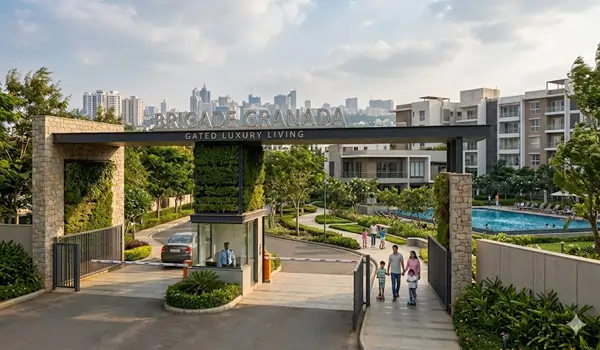
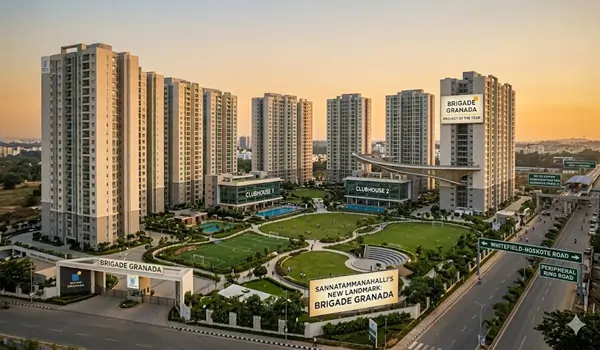
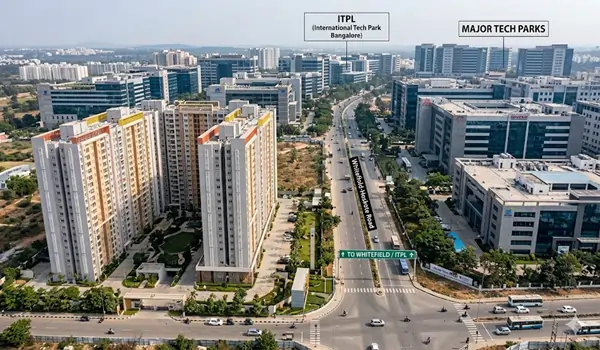
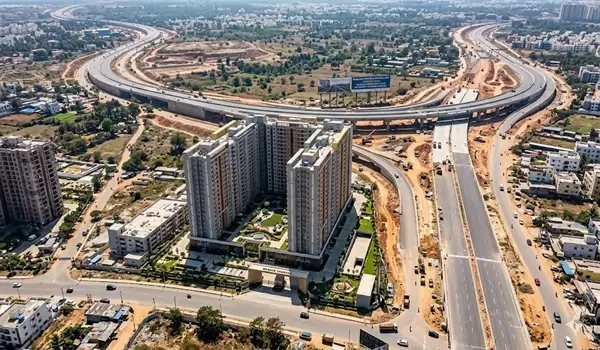
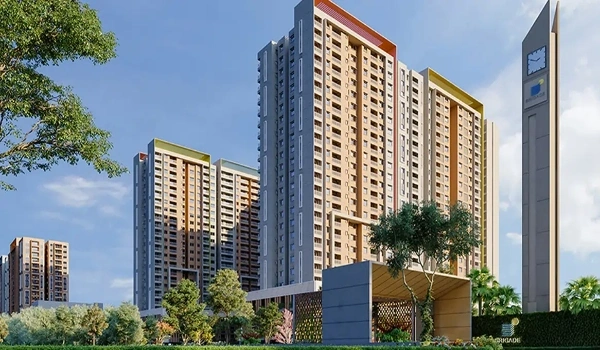
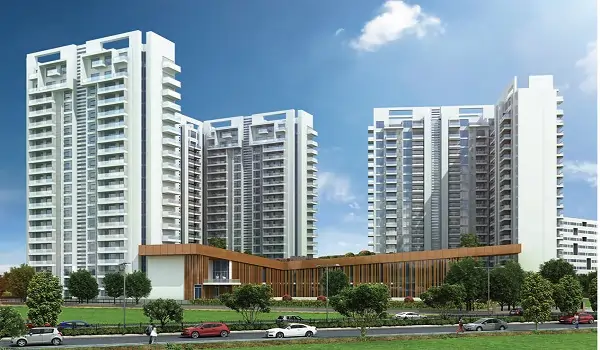
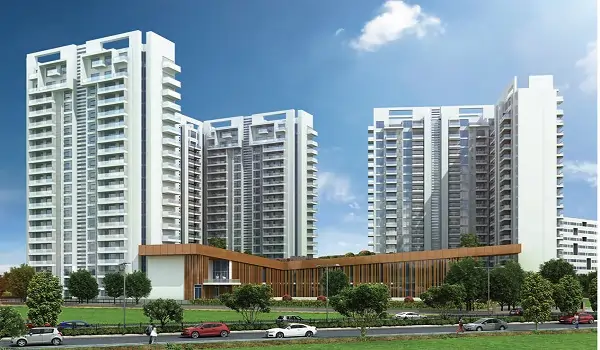
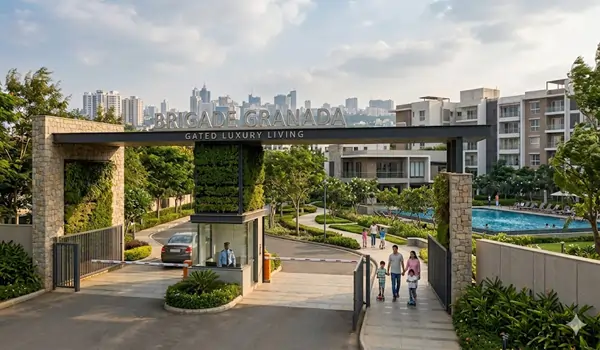
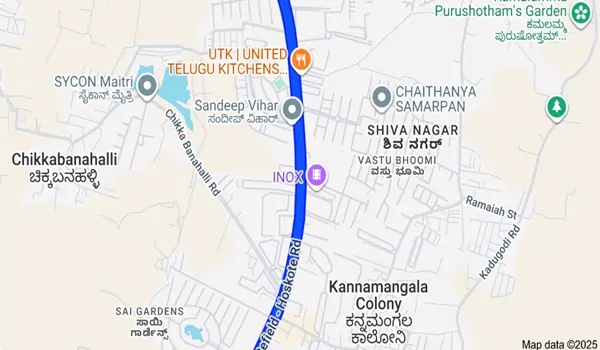
A great real-world example is Brigade Granada. This new housing property sits on 20 acres along Whitefield-Hoskote Road. It has 14 high towers with roughly 2,000 flats. Because it is so big, it counts as a massive bulk waste generator.

The builders did not wait to fix things later. They put green waste plans right into the Brigade Granada Master Plan. The project keeps 80% of its land as open green space. Part of this space holds advanced organic waste machines and trash sorting centers.

They designed underground trash rooms and waste setup zones from the very start. This stops bad smells. It keeps the public park zones clean. This smart design shows how new communities protect their future resident groups from huge city fines. Early planning ensures smooth, clean waste work from day one.

Actionable Strategy for Resident Welfare Associations (RWAs)


Managers must monitor daily collections at every tower block. Housekeeping staff need clear training to catch mixed bags. Quick checks prevent big fines later.

  • Use Clear Color Bins: Set up green, blue, and red bins.
  • Keep Daily Weight Logs: Write down trash weights every single day.
  • Hire Approved Private Recyclers: Work only with city-certified waste vendors.
  • Fine Careless Residents: Charge internal society fines for mixed trash.

FAQs


1. What makes a building a large waste generator?

A building qualifies if it has 100 flats, covers 20,000 square meters, or produces 100 kg of daily trash.

2. Can the city refuse mixed garbage bags?

Yes. Truck workers can legally leave mixed bags behind. Society must sort them out again.

3. What are the daily fines for bad waste management?

Fines start at ₹500 per day for bad wet waste. Big violations can cost up to ₹25,000.

4. How do we stop double waste taxation?

Your management must update your status online. This removes the flat fee from individual tax bills.

Brigade Granada Blog


Enquiry
Enquire Now