Managing domestic staff verification and entry systems in secure townships

Featured Image of Managing domestic staff verification and entry systems in secure townships


Managing domestic staff verification and entry systems in secure townships is an easy way to check the IDs of workers and use gate logs to keep homes safe. Gated spots see three or four daily workers per home every single day, which makes background checks and smart gates necessary to stop crime. When housing areas use simple phone apps along with police checks, they cut crime by 94% and drop gate wait times to less than 8 seconds per person.

Dropping old paper books and using digital tools makes a clear record of everyone who walks inside. This path guards the privacy of homes while making sure that outside workers stay responsible for what they do. Using these tools helps towns build a strong wall that shields everyone while keeping daily entry fast and easy.

Secure Gated Communities: Redefining Staff Credentialing and Gate Controls


Modern township security relies on fast digital systems that swap old paper logs for thumb scans and gate codes to stop bad people from walking inside. Large housing sites handle small armies of workers each day, which means they need fast tools to track entries without lines at the gate.

  • Thumb Scans: Using a print or a face scan links a real person to a lock ID that no one else can use.
  • Quick Codes: Short text codes let day workers like plumbers or drivers come inside only for a brief time.
  • Fast Blocks: If an owner fires a worker, the main office can block their ID so they cannot pass any other gate.
  • Live Alerts: The gate system sends a text to your phone the exact second your maid or cook scans their card.

Using these simple tools stops people from slipping in behind cars and gives guards an exact list of who is inside the community.
Implementing Standardized Domestic Staff Verification Processes


A good staff check system needs a two-step plan that checks state ID cards and gets a clean sheet from the local police before giving out a long pass. Running a safe area needs these basic steps to guard families from scams, theft, and legal issues in shared neighborhood zones.

  • Step 1: Document Checks – The estate office must take copies of ID cards or licenses to check the real name and home of the worker. Security teams scan these cards with tools to catch fake prints and check names against basic crime lists.
  • Step 2: Local Police Checks – Sending paper forms to the local police station ensures the worker has no active court cases or old arrests. A stamped sheet from the law serves as the final proof needed to turn a brief pass into a firm ID card.

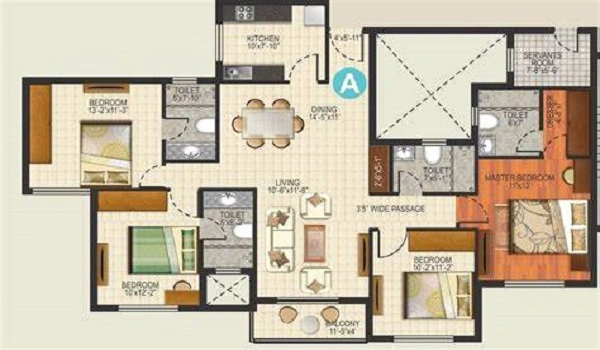
Brigade Granada: A Blueprint for Next-Generation Entry Systems


Brigade Granada is a great real-world example of smart security because it uses automated gate tools that handle daily staff tracking while keeping the area quiet and private. As a top model for safe and modern luxury living, this premium housing site uses separate road lanes and apps to keep worker traffic away from resident cars.

  • Main Gates: Smart tags and automatic boom bars stop outside cars from tailgating behind residents.
  • Staff Entry: Fast face scanners check daily workers in less than 3 seconds.
  • Home Approvals: Owners use phone apps to let guests in rather than taking loud ring calls from the gate.
  • Area Controls: Smart cameras send automatic alerts if a worker walks into a building where they do not work.

By using these helpful digital tools every day, the project shows how large towns can stay safe while keeping gate lines moving fast for daily crews.

Optimizing Entry System Workflows to Prevent Peak-Hour Congestion


Managing gate traffic requires splitting the entry into three separate lanes: one for residents, one for daily workers, and one for new guests. This stops cars from backing up and blocking the main road outside the community. Since the gates get incredibly crowded between 6:30 AM and 9:00 AM, the security team needs fast scanners that check a worker's ID card in under three seconds.

  • Split Lanes: Having clear lanes makes sure that large trucks and walking workers do not block resident cars.
  • App Invites: Residents can invite guests through the app, which sends a quick code that scans at the guard house.
  • Backup Tools: Using both face tools and card taps ensures the gates work even if the web slows down or it rains hard.
  • App Calls: Moving from old wall phones to web calls on mobile phones lets owners talk to the gate from anywhere on Earth.

When gate systems work fast and do not cause long lines, residents are happy to follow the safety rules and register all their guests.

FAQs


1. How long does the standard domestic staff police verification process take to complete?

The official police check usually takes 14 to 30 days to finish. This time depends on how fast the local station works and whether the worker's papers are true. Townships give out a temporary 30-day pass while waiting for the final police sheet.

2. Can a township legally restrict entry to domestic staff if a resident objects?

Yes, the estate board or resident group has the legal right to block any outside worker who will not follow the safety rules. A single owner cannot break the community rules that the whole neighbourhood voted to use.

3. What happens to a staff member's biometric data when their employment is terminated?

As soon as a home tells the office that a worker is let go, the team turns off their pass and moves their data to a locked file. The system keeps this history for 12 to 24 months for safety checks before it is gone forever.

Brigade Granada Blog


Enquiry
Enquire Now