EV grid load capacity planning for future proofing residential parking lots

Featured Image of EV grid load capacity planning for future proofing residential parking lots


EV grid load capacity planning for future proofing residential parking lots requires allocating 3.3 kW to 7.4 kW of power per parking slot while using smart load balancing software to prevent the building's main power switch from tripping during peak hours. Doing this planning early ensures that apartment complexes can easily handle a rise from 10% to 100% electric car adoption without blowing out their main transformers. Property managers can save up to 70% on future installation costs by laying wide metal cable trays and installing separate EV breaker panels on day one. This simple preparation turns regular parking basements into modern, future-proof charging spaces that raise property values and match modern automotive trends.

1. Handling Building Power Limits and Shared Electric Hubs


Older apartments have a big problem with electric car chargers. The main power line from the street has a strict limit. When these buildings were first built, no one thought about cars needing plugs. The builders assumed that people would never turn on every light and TV at the same time.


  • Check the Spare Power: Managers must look at old bills to find the lowest gap between daily use and the absolute power limit.
  • Keep the Main Box Cool: Heavy power boxes can melt if fifty cars drink heavy current all night long.
  • Talk to the Power Company: The local electric board limits how much power one plot can take, so get your permits early.

2. Using Smart Power Sharing to Avoid Heavy Costs


Smart power sharing is a simple computer program. It divides the building's current between the flats and the cars. It does this work in real time. The system treats spare power like a pool of water that moves around where it is needed most.

  • Watch the Live Draw: Smart meters watch the total power draw every second, so the main fuse never blows.
  • Set a Smart Car Line: The software gives power to cars based on who needs to drive to work first.
  • Save Your Cash: This tool lets you add four times more car plugs without paying for a giant new street wire.

3. Four Easy Steps to Prepare Your Parking Garage Right Now


Preparing your garage means setting up the tracks and pipes today. Do this before everyone buys an electric car. Tearing up concrete floors three or four times costs way too much money. It also makes a massive, loud mess for the people who live there.

  • Put in Separate Power Boxes: Install new breaker boards just for cars so they do not touch home meters.
  • Lay Down Wide Metal Trays: Run long, empty metal tracks on the ceiling so workers can slide wires through later.
  • Hang Overhead Power Lines: Use a central power rail down the driving lane so new plugs can just click right in.
  • Run Strong Internet Lines: Put in hard internet wires because normal cell signals die deep inside stone basements.

4. Real Case Study: Preparing Large Places Like Brigade Granada


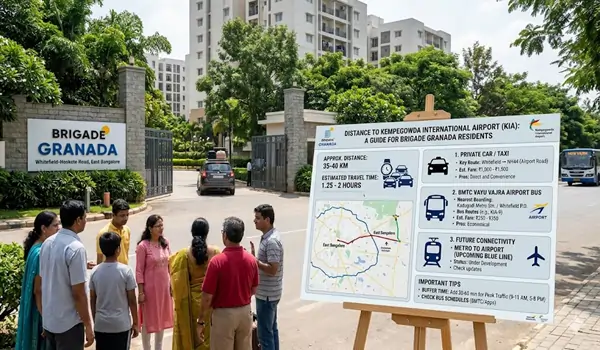
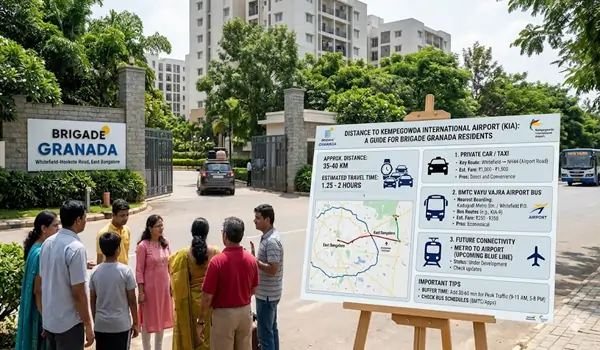
Big housing areas like Brigade Granada on Whitefield-Hoskote Road in East Bangalore show us exactly how to plan. This huge estate spreads across 20 acres of land. It has 14 tall towers with three deep basements and 24 floors (3B+G+24). It holds about 2,000 homes. For a massive place like Brigade Granada, thousands of cars charging at once would crash the grid without a smart plan.

To keep the lights bright, large modern projects use multiple small power hubs to spread out the energy load safely. By grouping parking spots into zones and using shared overhead tracks, the building can scale up easily over time. Using smart chargers also lets residents use cheap night-time electricity rates without putting any stress on the main estate grid.

5. Simple Guide: EV Charger Options for Apartment Buildings


Feature Standard Wall Plugs (Level 1) Smart Charging Boxes (Level 2) Super Fast Chargers (DC Hubs)
Power Output 1.4 kW to 3.3 kW 7.4 kW to 22 kW 50 kW to 120 kW or more
Power Type Simple Single-Phase (230V) Strong Three-Phase (415V) Heavy Industrial Power
Average Charging Time 10 to 16 Hours 4 to 6 Hours 30 to 60 Minutes
Best Place to Use E-bikes and small backups Main resident parking slots Visitor slots and big trucks

FAQs


1. What is the minimum power needed for a residential EV parking slot?

For standard overnight parking, a baseline of 3.3 kW is perfect for two-wheelers, while 7.4 kW is the ideal match for cars to give them a full charge during an 8-hour sleep window.

2. How does smart balancing protect the main building fuse?

The system uses small sensors to watch how much electricity the apartments are using. If residents turn on heavy items all at once, the system automatically slows down the car chargers until home use drops.

3. Why should apartments avoid installing super-fast chargers in tenant slots?

Fast chargers need too much electricity, cost a fortune to buy, and are not needed for cars that sit still for eight or more hours every single night.

4. Can an old apartment building upgrade its parking lot without a total rewrite?

Yes, by adding shared overhead power tracks and using smart management software, older buildings can be upgraded easily. This setup lets owners connect new chargers one by one as more neighbors buy electric cars.

Brigade Granada Blog


Enquiry
Enquire Now