Evaluating broad band fiber optic monopolies vs open access ISPs in gated communities

Featured Image of Evaluating broad band fiber optic monopolies vs open access ISPs in gated communities


Evaluating broadband fiber optic monopolies vs open access ISPs in gated communities shows open networks boost speeds by 30% and cut bills by 22%. Most gated communities lock themselves into long contracts with one provider. This leaves users stuck with bad service and high fees. Open networks let many companies share the same line. This forces providers to keep prices low and service fast. Developers also gain a lot of value. Building a shared network costs less upfront. It also allows the system to grow as web tech gets faster. Homes in these areas are worth more money. People who work from home want fast, reliable internet. A shared fiber setup ensures great connection speeds for years to come.

The Financial Impact: Broadband Monopolies vs. Open Access


Open-access networks lower monthly internet bills to an average of $45 while reducing initial cable installation costs by 30%. Under a single-provider monopoly, one company owns all the wires. They lock the community into a 10-year contract. They say the setup is free. But they charge high monthly fees to get their money back.

Upfront Infrastructure Costs and Capex Recovery

Building a shared community fiber network saves developers 40% on installation costs and pays for itself in 3 years. Laying pipes and digging trenches takes up 70% of the total budget. If the community owns these pipes, they can rent space to multiple web providers. This rental income covers the initial cost of the network very quickly. It turns a basic utility into a profitable community asset.

  • Lower Setup Costs: Sharing the main line saves a large amount of cash.
  • Community Asset: The neighborhood owns the physical wires, not a big telecom company.
  • Easy Upgrades: Workers can pull new wires through existing pipes without digging up roads.

Monthly Subscription Pricing and Long-Term Consumer Savings

People on open networks pay just 45 dollars a month for super-fast internet, saving them 600 dollars a year. When different companies have to compete on the same wire, they must lower their prices to get your business. They cannot hit you with hidden fees or lock you into long contracts. If they raise their prices, you can simply switch to a cheaper company. This keeps prices low and service great for everyone.

Financial Metric Broadband Monopolies Open Access ISPs
Average Monthly Cost (1 Gbps) $85 - $110 $45 - $55
Typical Contract Term 12 - 24 Months Month-to-Month
Provider Switching Fee $150 - $300 $0 (Instant Digital Port Switch)
Infrastructure Ownership Private Telecom Carrier Community / HOA / Neutral Host

Technical Performance: Bandwidth, Latency, and SLA Guarantees

Open networks stay fast and rarely go down because they use backup paths. If you only have one provider, a single broken wire can turn off the internet for the whole neighborhood. Open networks use smart tools to avoid this. If your provider has a problem, your connection shifts to a backup path right away. This keeps your home online without you having to do a thing.

Network Redundancy and Avoiding Single Points of Failure

If a main provider fails, residents can switch to a competitor in 10 minutes using a 1-click web portal. The system does not require a technician to visit your home. The switch happens instantly through software. This protects remote workers from losing their connection during important meetings. It also ensures that home security systems stay online at all times.

  • Quick Switching: Change your provider in a few clicks on your phone.
  • Double Lines: Power users can run two connections at the same time.
  • Safe Nodes: A crash on one system will not affect other users.

Symmetrical Speeds and Fiber-to-the-Home (FTTH) Standards

True fiber networks offer 1,000 Mbps upload speeds with a response time of less than 5 milliseconds. Old cable networks are very slow when uploading files. They give you fast downloads but slow uploads. This makes video calls lag, and cloud backups take hours. True fiber is equally fast both ways, which makes your smart home devices run smoothly.

Case Study: Deploying Open Access Networks in Brigade Granada


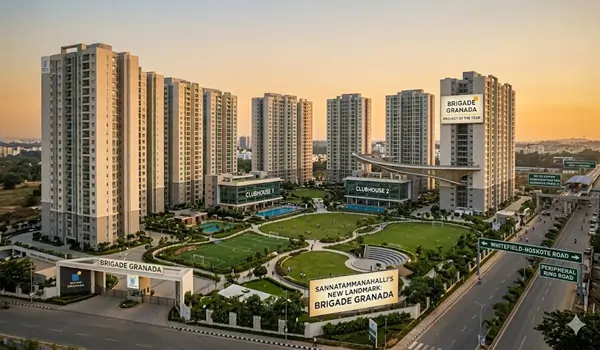
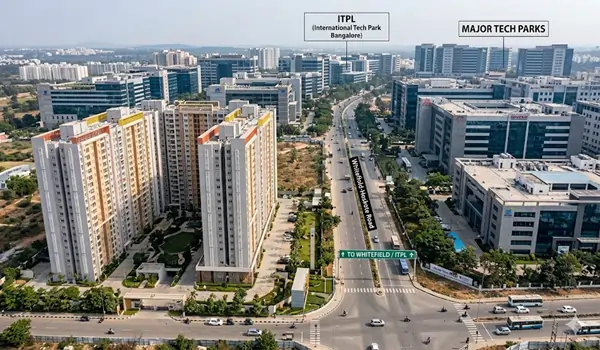
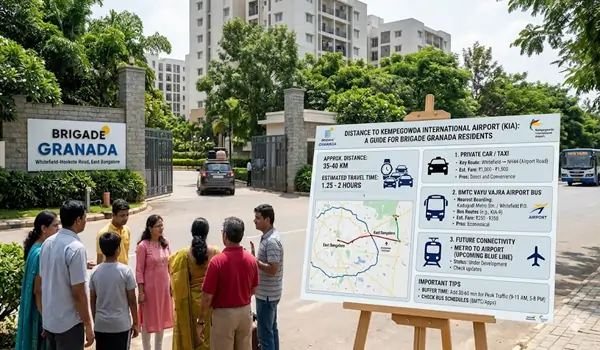
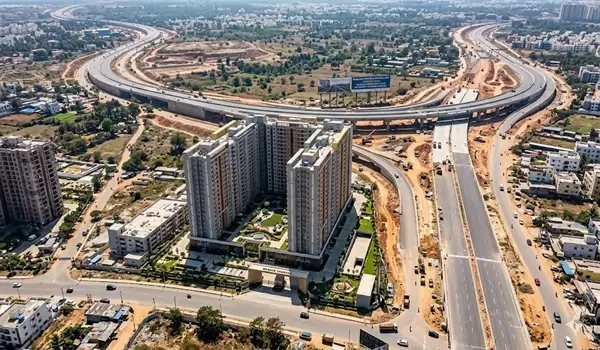
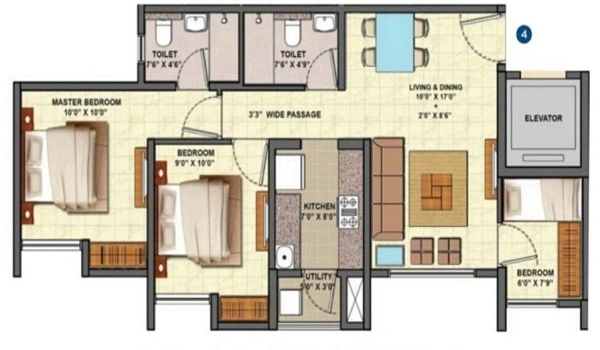
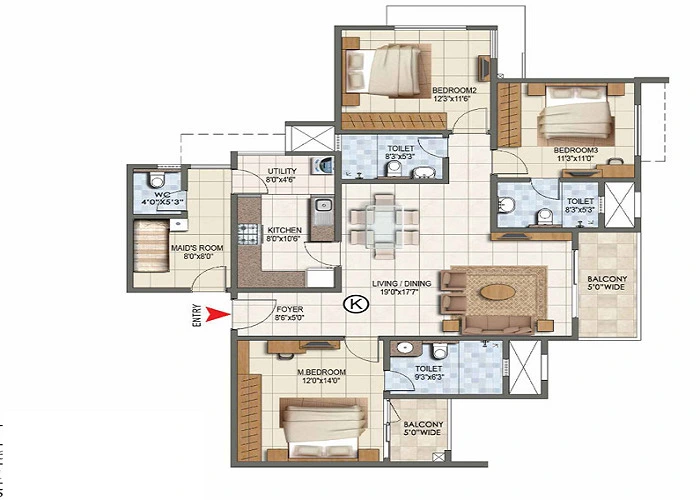
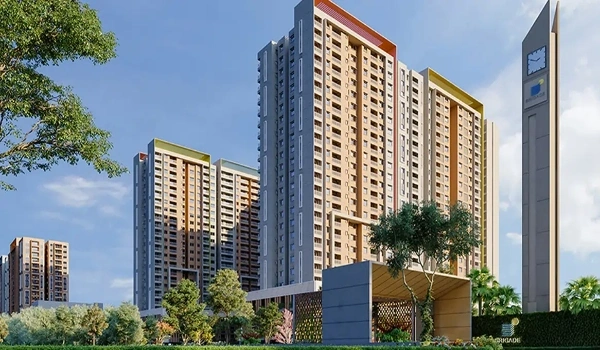
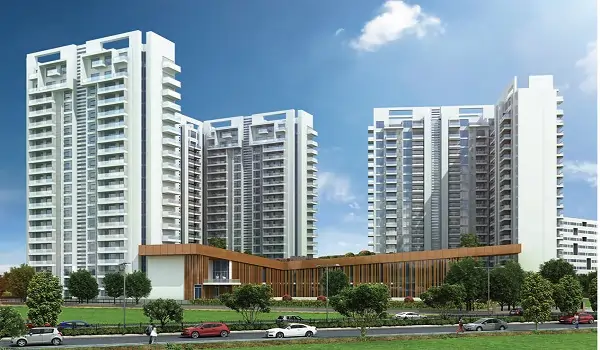
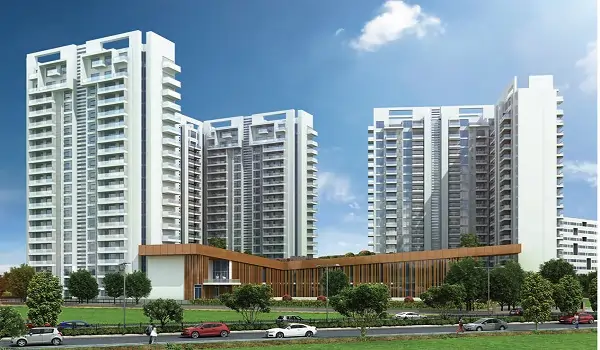
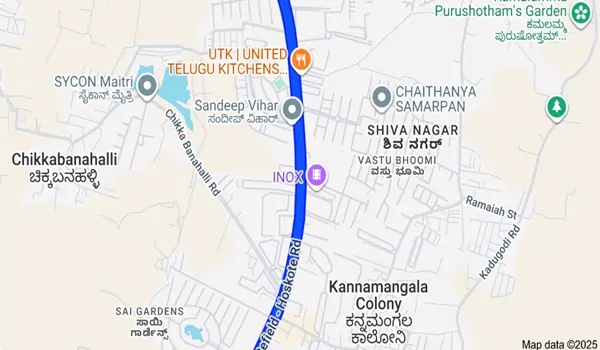
The 20-acre Brigade Granada housing project features 14 towers and 2,000 apartments built for fast internet. This premium gated community sits on Whitefield-Hoskote Road in East Bangalore. It is built for tech workers who need a reliable web service. If this project used a single-provider monopoly, 2,000 homes would share one bottlenecked line. This would cause massive slowdowns during busy evening hours.
By using an open-access model, the builders of Brigade Granada can install a shared fiber backbone inside all 14 towers during construction. This means no outside technicians have to drill holes in the walls later. It keeps the buildings looking clean and modern. Residents can pick from several local web providers the day they move in. They can choose a plan that fits their needs, whether they game, stream, or work.

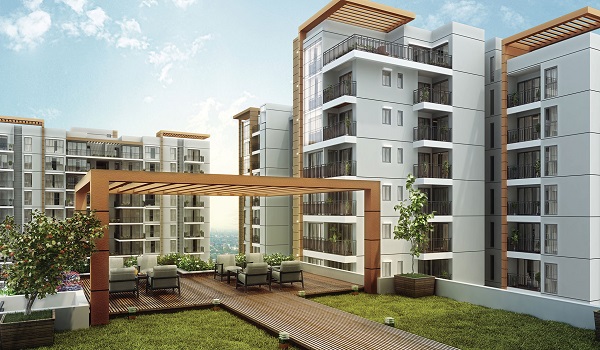
The project also features a 50,000 square foot clubhouse and smart home systems in every flat. These smart systems need their own secure, steady connection. An open-access design lets the community run security cameras on a private network layer. This keeps the estate systems completely separate from resident web traffic. It improves security, protects privacy, and keeps the whole system running fast.

Legal and Regulatory Landscapes in Residential Communities


Modern telecom laws ban exclusive broadband deals in 100% of apartments, protecting choices for 2,000+ residents. Governments around the world are stopping big companies from signing exclusive deals with developers. These deals create unfair monopolies that hurt consumers. Still, some providers try to sign sneaky revenue-share deals with building managers.

Legal Alert: Communities should check their contracts to make sure they are not locked into illegal, exclusive internet deals that hurt property values.

To transition to an open network, the community association must own the cable pipes. This allows any licensed company to use the pipes to run their wires. It stops one company from taking over the physical pathways. It ensures that residents always have the freedom to choose their own provider.

FAQs


1. What is the main difference between a broadband monopoly and open-access internet?

A monopoly owns both the physical wires and the service. You only have one choice. In an open-access system, one company owns the wires, but many different providers can use them. You get to choose the best plan for you.

2. How do residents switch providers on an open-access network?

You can switch online in just a few clicks. The wires in your walls stay the same, so the change happens instantly through software. No technician needs to visit your home.

3. Who fixes a broken fiber line in an open-access community?

The company that owns the physical wires fixes them. They only look after the hardware. Since the internet companies focus only on customer service, physical issues get fixed much faster.

4. Does open-access fiber cost more money upfront?

Yes, the builder or home group must pay for the wires first. In a monopoly, a big telecom firm pays for them. However, the community gets this money back in 3 to 5 years by renting the wires to different companies.

5. Can an open-access network support smart home tech and security?

Yes, it is the best setup for smart homes. The community can run security cameras on a separate private line. This keeps the cameras safe and leaves the main lines free and fast for residents.

Brigade Granada Blog


Enquiry
Enquire Now