Navigating pet ownership bylaws and common area restrictions in Karnataka apartments

Featured Image of Navigating Pet Ownership Bylaws And Common Area Restrictions In Karnataka Apartments


Navigating pet ownership bylaws and common area restrictions in Karnataka apartments requires following the clear rules set by the Animal Welfare Board of India (AWBI) and Section 11(3) of the Prevention of Cruelty to Animals Act, 1960, which makes all total pet bans by housing societies completely illegal. Management bodies do not have any legal power to stop pets from using standard lifts, charge extra pet fees, or create size limits within residential complexes. These central government laws protect your rights, meaning that as long as your pet does not cause a real and proven danger, keeping a dog or cat in your owned or rented flat is a right protected under Article 51A(g) of the Indian Constitution.

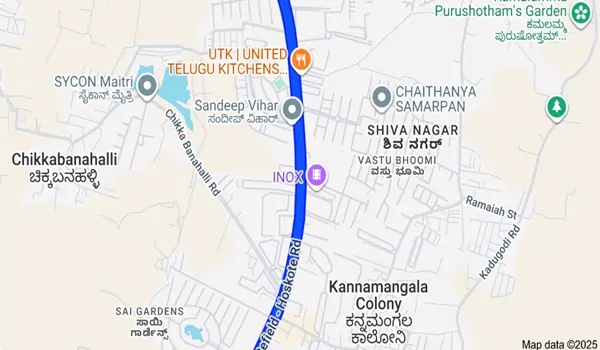
Smart property design makes a massive difference for pet owners. In East Bangalore, new residential projects like Brigade Granada on Whitefield–Hoskote Road solve these common community arguments through smart planning. The project sits on a large 20.19-acre plot. It offers 80% open green space. The ground layout is completely vehicle-free. All cars stay down in the basement levels. This design gives owners wide, dedicated walking paths. It naturally prevents bad encounters or arguments between pet owners and neighbors.


The Legal Blueprint: Why Blanket Pet Bans are Legally Invalid


Central laws clearly protect your right to keep a pet. You can own a pet in any flat. The Prevention of Cruelty to Animals Act, 1960, protects you. It states that owning a pet is a personal freedom. You must look after the animal well. You cannot treat it badly. Also, Article 51A(g) of the Indian Constitution protects animals. It says every citizen should show kindness to living creatures.

Management committees often misunderstand their regular powers. They quote the Karnataka Apartment Ownership Act, 1972. An RWA might pass a strict rule by voting. However, a local vote cannot break a central law. Any internal rule that takes away basic rights is invalid. It has no legal power from the start.

  • A 100% vote by a society to ban pets holds no value in court.
  • Landlords cannot put tricky rules in rent agreements to evict you.
  • The Bruhat Bengaluru Mahanagara Palike (BBMP) rules match central laws completely.

Deconstructing Common Area Restrictions and RWA Jurisdictions


RWAs manage common areas for safety. However, they cannot block basic access for pet owners. The AWBI orders state that pets can use regular lifts. Making owners use stairs is considered harassment by law. Management committees can still make fair rules. These rules keep the property clean and safe.

Charging special pet fees is an unfair practice. Extra monthly maintenance costs are not allowed. Societies can ask for copies of your municipal dog license. They can check updated vaccination records. This helps make sure the building stays healthy.

  • What RWAs can enforce: Mandatory leash use in common areas, up-to-date vaccine log submissions, and designation of specific pet defecation zones.
  • What RWAs cannot prohibit: Total bans on passenger lifts, special pet taxes or extra maintenance fees, and arbitrary size or breed restrictions.

Architectural Harmony: Pet-Centric Infrastructure at Brigade Granada


Smart building design stops neighbor arguments early. It separates busy footpaths from quiet green areas. Brigade Granada spans over 20 acres. It has 14 residential towers. The project keeps 80% of its land as open space. This gives pets and people room to move. All car traffic moves into three large basement floors. The ground level stays safe for walking. This reduces sudden surprises that might scare an animal.

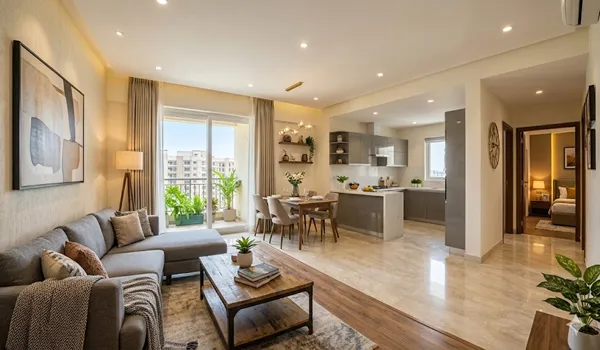
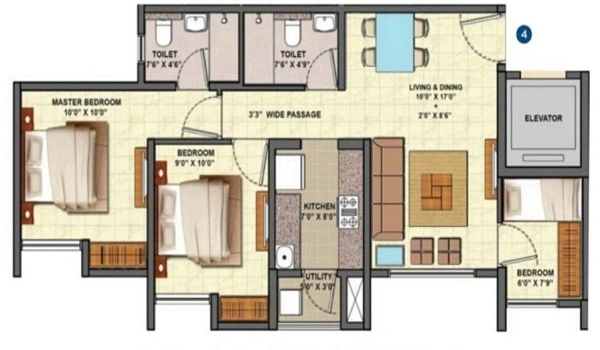
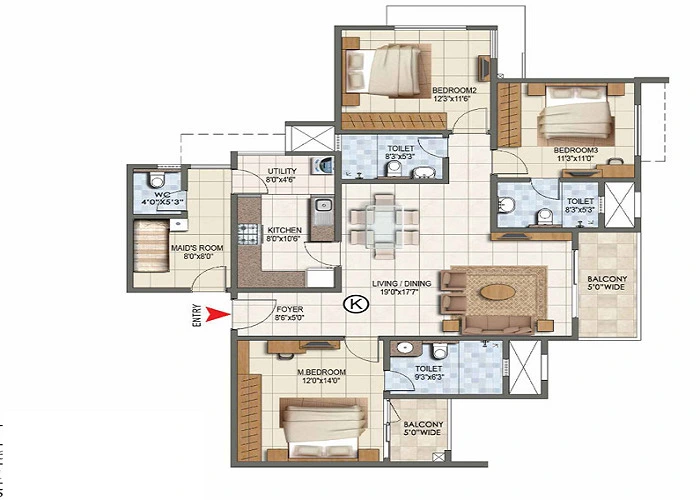
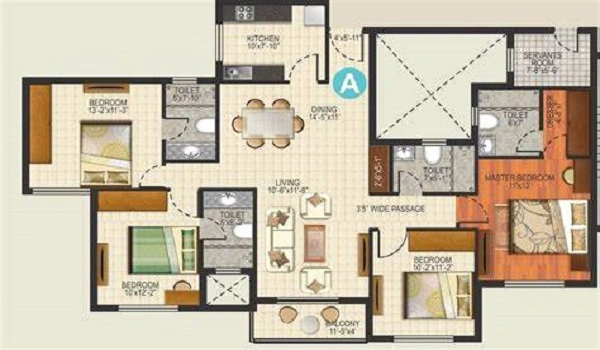
The project features 2.5, 3, and 4 BHK flats. These units go up to 2,800 square feet. They give families big indoor spaces. The large rooms work well for big dog breeds. The flats have usable terraces. They feature wide balconies with great airflow. Open courtyards help pet parents exercise their dogs easily. Owners do not need to leave the property grounds.

Actionable Steps for Resolving RWA-Pet Disputes Legally


  • Write Back Firmly: Reply to unfair notices using a formal email. Clearly point out the AWBI rules. Quote the Prevention of Cruelty to Animals Act.
  • Share Health Records: Give the office copies of your pet's current vaccine dates. Include rabies shots. Provide municipal corporation tags.
  • Contact City Officials: File a complaint if the harassment does not stop. Contact the local BBMP Animal Husbandry division. Reach out to a nearby SPCA group.
  • Visit the Consumer Court: Go to the District Consumer Forum if needed. Do this if the society threatens to cut off your water or electricity.

Civic Duties: The Ultimate Checklist for Responsible Pet Parents


Legal rights come with clear duties. You must keep the peace with your neighbors. Pet parents must train their dogs well. This prevents problems like continuous barking. It stops snapping in public hallways.

  • Always carry a small scoop or plastic waste bag on walks. Clean up after your pet immediately.

  • Keep your dog on a secure, short leash. Use it inside corridors, parking basements, and shared gardens.
  • Work on simple commands. Ensure your dog stays calm. Stop it from jumping inside a crowded lift.
  • Never let your dogs or cats roam alone. Keep them out of common hallways, stairs, and the clubhouse.

FAQs


1. Can a Karnataka apartment association legally ban specific large dog breeds?

No, apartment associations cannot ban pets based on breed or size. Any local rule targeting large dogs like Pitbulls is illegal under central AWBI laws.

2. Is it mandatory to use a muzzle on dogs in common areas?

No, societies cannot force you to use a muzzle for routine walks. The dog must have a proven history of biting first. The AWBI states that muzzling friendly dogs causes unnecessary stress.

3. What legal actions can I take if society cuts off my lift access due to my pet?

Stopping you from using the lift breaks your basic housing rights. You can file a police complaint for harassment under Section 325 of the Bharatiya Nyaya Sanhita (BNS). You can also ask the Consumer Forum for help.

4. Can an RWA fine me if my dog barks during daytime hours?

No, barking is a natural way for a dog to talk. It is not a criminal nuisance. However, owners should stop heavy barking at night so neighbors can sleep.

Brigade Granada Blog


Enquiry
Enquire Now