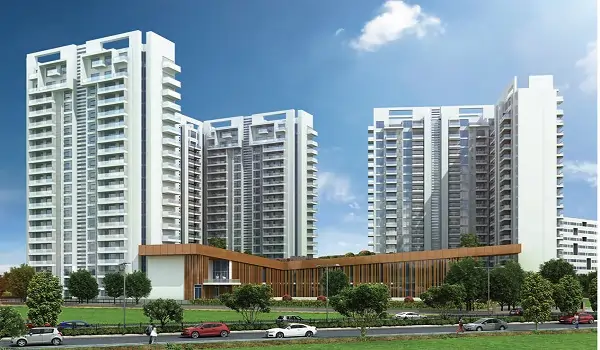
Lightning protection and earthing systems for multi-story residential towers

Featured Image of Lightning Protection And Earthing Systems For Multi Story Residential Towers


Lightning protection and earthing systems for multi-story residential towers give a fast, safe path that sends up to 200 units of sudden sky electricity deep into the dirt, stopping the hit before it can crack concrete walls or spark bad fires. These setups use a smart network of roof rods, long down cables, and deep ground grids to shield the whole block and its families. In crowded city areas, putting in these tools is a strict rule under global safety codes like IEC 62305, keeping both the main building safe and its costly power systems running without a glitch.
The Core Blueprint of Vertical Lightning Interception


Building safety setups use a steady, clear path to catch and ground heavy sky power safely before it can enter any home.

Air Termination Networks (Rooftop Interception)

Roof networks use straight metal rods or wire grids on the roof to catch lightning hits at the highest point of a tall tower.

  • The Rolling Sphere Method: Planners use a simple math trick with a virtual ball to find the exact spots on the roof that need protective rods.
  • Early Streamer Emission (ESE) Systems: These smart rods send up a tiny charge early to pull lightning from far away, shielding a huge area with fewer parts.
  • Strong Metal Parts: The rods are made from thick copper or tough aluminum, so they will not melt when hit by extreme heat.

Down Conductors (The Safe Downward Path)

Down cables are thick wires that give multiple paths to send the power down the outside walls right into the dirt.

  • Even Spacing: These paths are set up evenly around the outside walls every 10 to 20 meters to stop power from jumping into living rooms.
  • Using the Steel Frame: Modern towers often use the steel bars inside their concrete pillars as natural down paths after testing the joints.
  • Straight Runs: The wires are put in without any sharp turns because tight bends can cause the high power to break right through the brick walls.

Earth Termination Subsystems: Scattering the Energy Safely


Ground loops take the massive rush of power from the down wires and spread it out safely deep under the grass.

  • Roof Rods catch the lightning flash before it hits the roof deck.
  • Down Wires carry the heavy current down the building sides.
  • Metal Clamps link all indoor pipes together to stop dangerous sparks.
  • Ground Rings spread the dangerous electricity safely into the dirt below.

Ground Ring Earth Electrodes

A ground ring is a thick metal loop buried all the way around the outer base of the tower to make a safe boundary.

  • Depth and Distance: This metal band is buried at least half a meter deep in the dirt and about one meter away from the basement walls.
  • Low Resistance Goal: The overall resistance of the ground pit must stay below 10 ohms all year to make sure the power drains fast.
  • Fixing Hard Soil: If the ground is dry or rocky, workers use extra-deep rods or special chemical gels to help the power flow away.

Metal Bonding and Surge Protection

Safe bonding links all the indoor metal pipes and structural steel together so that random voltage shifts cannot cause sparks inside.

  • Main Earth Bars: Heavy copper bars tie structural steel, water mains, elevator rails, and large ducts right to the main ground grid.
  • Type 1 Surge Boxes: These heavy safety switches sit in the main power room to stop huge energy spikes from frying home goods.
  • Type 2 and 3 Surge Boxes: Smaller surge filters sit in the fuse panels on every floor to protect phones, TVs, and smart toys.

Engineering Profile: Structural Protection at Brigade Granada


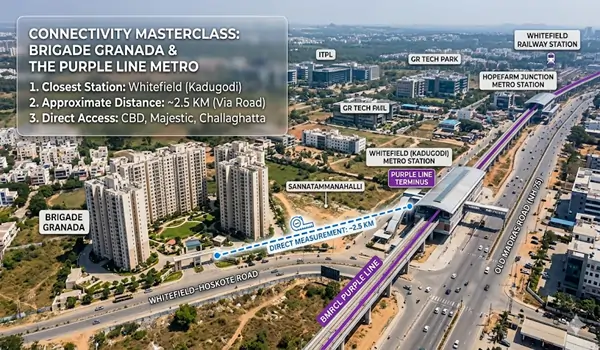
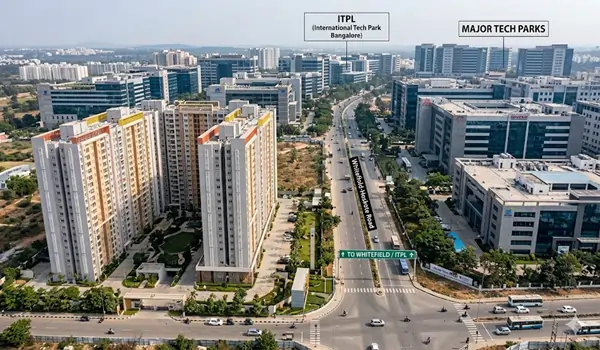
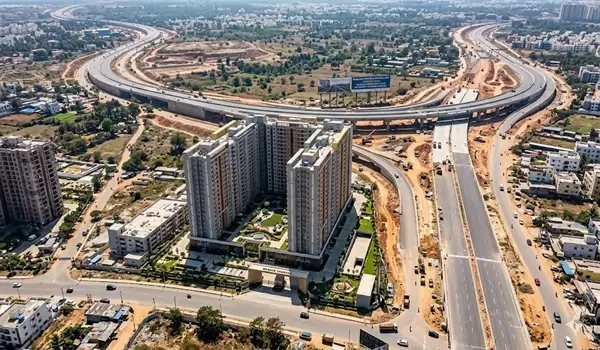
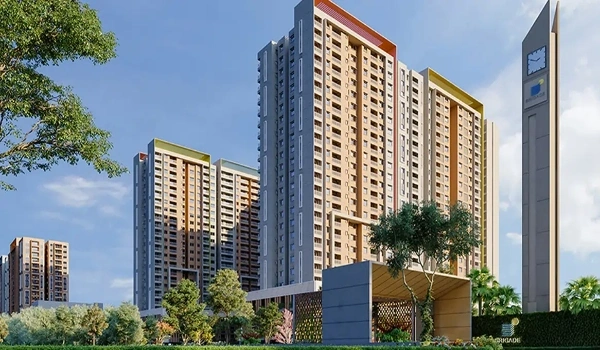
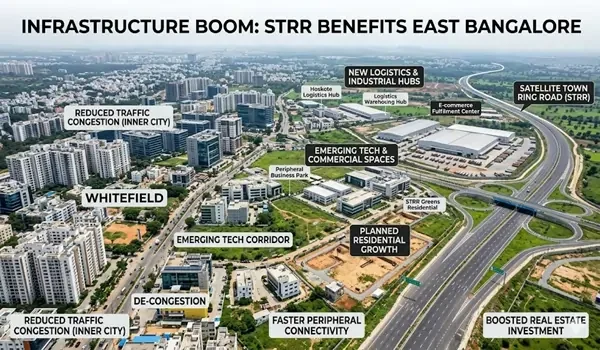
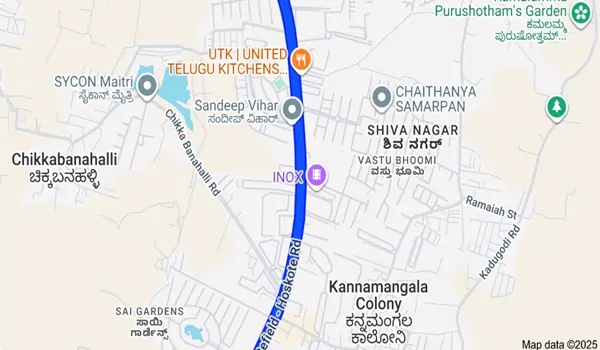
The core rules of high-rise lightning safety are fully active in premium residential projects, such as the new Brigade Granada township located on the Whitefield–Hoskote Road in East Bengaluru.

This luxury township spreads across a large 20.19-acre property and features 14 high-rise towers built with a 3B+G+24 floor layout. Because these towers hold roughly 2,000 apartments and reach high into the sky, their physical size makes them highly vulnerable to sudden lightning strikes during heavy monsoon storms.

To keep everyone safe, the project uses top-tier electrical engineering:

  • Internal Steel Framework: The towers use their own continuous internal steel reinforcement bars as natural grounding paths, keeping the outside walls clean and completely safe.
  • Triple-Basement Ground Grid: A highly detailed copper grounding network is built underneath the vast triple-basement foundation to balance the ground voltage.
  • Complete Surge Shielding: The main earthing lines are joined with heavy-duty Type 1 and Type 2 surge protectors across all 14 towers to completely shield smart electronics and internet lines from blowing out.

Comparative Assessment: Old vs Modern Advanced Systems


Conventional Faraday Cage Systems

  • Catching Method: Standard copper mesh wires and basic blunt rods on the roof.
  • Visual Look: High visibility with lots of heavy, ugly wires running across the roof.
  • Maintenance Cost: High ongoing costs to fix exposed, weathered joints over time.
  • Surge Flow: Power flows only along the outer edges of the building roof.

Modern Advanced Systems (ESE + Integrated Rebar)

  • Catching Method: Active ESE rods that draw lightning away from a larger distance.
  • Visual Look: Hidden completely out of sight inside the building's concrete columns.
  • Maintenance Cost: Very low long-term costs because the system is protected inside.
  • Surge Flow: Multi-point grounding paths spread the power evenly into the earth.
FAQs


1. How often should tower lightning protection systems be checked?

High-rise lightning protection systems need a complete physical check by an expert at least once every 12 months. This test involves checking all wire connections and measuring the ground pit resistance to ensure it stays safely under the required 10-ohm limit.

2. Can a lightning strike ruin household appliances if the tower has a roof rod?

Yes, a roof rod only keeps the concrete structure from cracking or catching fire; it cannot stop indoor voltage spikes. To keep smart TVs and computers safe, the building must have surge protection devices installed directly inside the main electrical panels.

3. Why is internal building steel better than external copper wires?

Using the internal steel bars inside the concrete columns provides dozens of strong, natural paths for the electricity to flow straight down. This setup prevents metal theft, protects the wires from bad weather, and keeps the high voltage deep inside the core structure, far away from balconies and windows.

Brigade Granada Blog


Enquiry
Enquire Now