Depreciation calculation methods for residential building structures over 50 years

Featured Image of Depreciation calculation methods for residential building structures over 50 years


Depreciation calculation methods for residential building structures over 50 years rely primarily on the Straight-Line Method (SLM) and the Written Down Value (WDV) framework, which adjust for standard useful lifespans of 60 years and utilize fixed statutory tax depreciation rates of 5% under the Indian Income Tax Act. Finding the true value of an old house is vital. You must look at tax laws, building safety, and final scrap value. Many old city areas are growing fast now. Because of this, good math helps buyers avoid bad deals. It also helps sellers set a fair price based on how strong the walls are.

Every house wears down as time goes by. Physical breaks, old styles, and market shifts, bad things happen faster after 50 years. The land underneath almost always gains cash value. However, the concrete, pipes, wires, and walls break down daily. Good math helps landlords lower their rental taxes in a fair way. It also helps them save cash to rebuild the home later.

Why 50+ Year Residential Property Valuation Requires Specialized Depreciation


An old home needs a unique value plan. Old structures hide deep flaws that standard rules miss. At the 50-year mark, vital parts start to fail. Main walls, floor slabs, and pipes reach the end of their safe life. They need different math than fresh houses.

Real numbers protect buyers from big repair bills. They help sellers prove a fair price based on the home's remaining years.

The Dynamics of Aging Superstructures

  • Physical Wear: Foundation cracks and bad leaks speed up after 50 years of rain and wind.
  • Old Design: Bad room layouts and weak electrical lines lower the home's total use.
  • Safety Limits: Most local laws say a concrete home lasts 60 to 70 years. That leaves a very short time for safe use.

Core Depreciation Calculation Methods for Aging Residential Property


Two main math paths track the value drop of 50-year-old homes. These basic rules turn physical wear into clear cash numbers. This helps owners, tax pros, and buyers find the true price of a house structure. Your choice depends on whether you want to file taxes or set a real selling price.

1. The Straight-Line Method (SLM)

The Straight-Line Method takes away the same amount of value each year. It assumes the house breaks down at a steady pace. If a house lasts 60 years, the yearly drop is a set match based on the build cost minus the final scrap cash.

For example, take a home that costs 5,000,000 INR to build. It has a 10% scrap value of 500,000 INR. The house has a 60-year life. The yearly value drop stays at 75,000 INR every single year. By year 50, the total value drop hits 3,750,000 INR. This leaves the structural value at exactly 1,250,000 INR.

2. The Written Down Value Method (WDV)

The WDV method applies a fixed percentage to the remaining value of the home each year. The property drops hard in value early on and slows down by year 50. Under Section 32 of the Income Tax Act, homes use a standard 5% yearly WDV rate.

The 5% applies to the new balance, not the starting cost. A 50-year-old home under WDV holds a tiny value. The price gets close to zero but never hits it. This path is great for saving on income taxes. It cuts the taxable value fast during the first few decades.

Comparative Analysis: SLM vs. WDV for 50+ Year Buildings


Choosing a path requires comparing a steady yearly drop against a fast tax-saving model. This table shows how both options value old property structures:

Valuation Metric Straight-Line Method (SLM) Written Down Value (WDV)
Calculation Base Starting cost to build the walls The low value from the past year
Yearly Value Drop Stays the same every year Gets smaller and smaller each year
Value at 50 Years Realistic resale price Very small book value
Best Use Case Bank loans and market sales Official government tax filing
Scrap Value Treatment Calculated at the start Built-in since value never hits zero

Real-World Case Study: Valuing Structural Longevity in Modern Real Estate


Modern housing projects show how great build choices alter long-term value drops. Good building habits push a home's life way past the 50-year mark. Checking top developments helps buyers see how great work slows down the breakdown of a house.

Architectural Durability and Long-Term Valuation

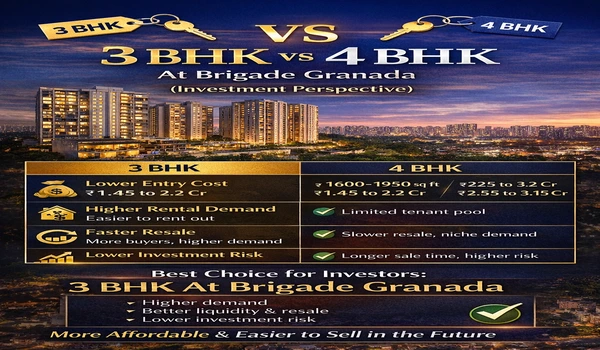
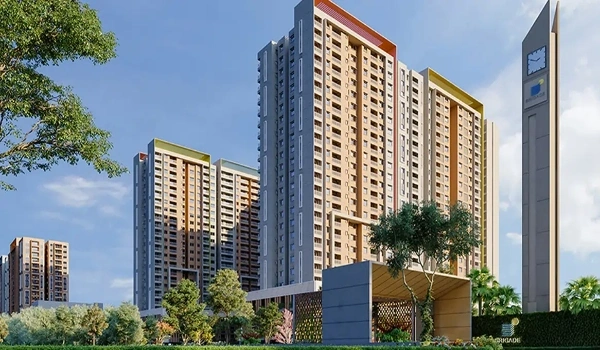
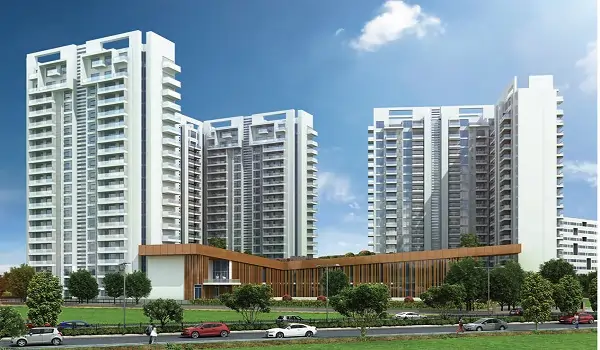
Premium home projects focus heavily on long-term strength. They use thick concrete, rust-proof iron rods, and smart designs. Premium choices like the upcoming Brigade Granada township project on Whitefield–Hoskote Road prove a major point.

Top builds let experts extend a property's estimated life from 60 years up to 75 or 80 years. By investing in strong bases and great waterproofing at the start, these properties lower their yearly value drop by a wide margin.

Good engineering keeps the mainframe safe even at the 50-year mark. This stops the fast loss of value that hurts cheap builds. For smart investors, buying properties made with tight quality controls ensures steady rent, low repair costs, and a much higher resale price when the property gets old.

Step-by-Step Guide to Calculating 50-Year Structural Depreciation


Finding the cash value of a 50-year-old house requires tracking the build costs, picking a scrap value, and using a simple formula. This clear process keeps your math right and aligns with property laws.

  • Find the Build Cost: Find the cash spent only on the physical walls and roof. Leave out the land price. Land does not lose value, so mixing them ruins the math.
  • Set the Scrap Value: Hold 5% to 10% of the build cost as the final scrap value. This is the worth of raw steel and bricks left after demolition. This number stays still during the math.
  • Use the Lifespan Math: Subtract the current 50 years of age from the total life to see the remaining years. Multiply the remaining life share by the build cost, then add the scrap value back to get the final price.

Key Factors That Alter the Depreciation Rate of Aging Structures


The daily value drop of an old home shifts based on past fixes, material quality, and local weather, which causes physical harm. A 50-year-old home can hold a unique real value depending on how well the owners cared for it.

  • Fix History: Regular roof checks, good waterproofing, and wall fixes delay aging. This keeps the home younger than its calendar age.
  • Material Quality: Great cement, thick iron steel, and solid wood doors handle decades of heavy use much better than cheap items.
  • Local Weather: Homes near wet beaches or earthquake zones suffer fast wear. This increases the speed of real-world value drops compared to dry, inland homes.

FAQs


1. Does the land value depreciate after a residential building crosses 50 years?

No, land value does not drop. Only the physical house built on the land suffers from everyday wear and age. Land almost always gains value due to growing cities and inflation, even if the house on top is ready to be torn down.

2. What is the standard salvage value percentage for a 50-year-old concrete building?

The standard scrap value for a concrete home stay between 5% and 10% of the cost to build it. This tiny share covers the basic value of steel rods and bricks that can be sold after the home is broken down.

3. How does structural retrofitting impact the depreciation calculation of an old property?

Retrofitting changes the math by adding extra years to the building's life. This immediately lowers the yearly straight-line value drop. By strengthening old beams and foundations, it fixes bad wear and brings back the real market value.

4. Can a property have a zero-book value under the Written Down Value (WDV) method at 50 years?

No, a house cannot hit a true zero value under the WDV method. The 5% rate always takes a share of the remaining balance. The total drops to a tiny fraction over 50 years, but the math keeps the value just above zero forever.

Brigade Granada Blog


Enquiry
Enquire Now