Water softening plants vs individual RO systems for long term plumbing health

Featured Image of Water Softening Plants Vs Individual Ro Systems For Long Term Plumbing Health


Water softening plants vs individual RO systems for long-term plumbing health proves that big softeners save 100% of home lines, while single kitchen RO units only treat 1% of your total water. Choosing a whole-house water softening plant protects every hidden pipe, water heater, and shower head in your home from mineral blockages. A basic kitchen RO system leaves your main building infrastructure entirely unprotected against scale damage. The choice you make impacts your repair costs for decades.

Water softeners act like an insurance policy by replacing heavy minerals with simple sodium using tiny resin beads. This system treats water right where it enters the building. Hard minerals never touch your inner pipes. A standard under-sink RO system uses a fine screen to purify a very small amount of water for drinking. This keeps your glass clean but leaves your bath lines and main water heaters to choke on heavy lime crust.

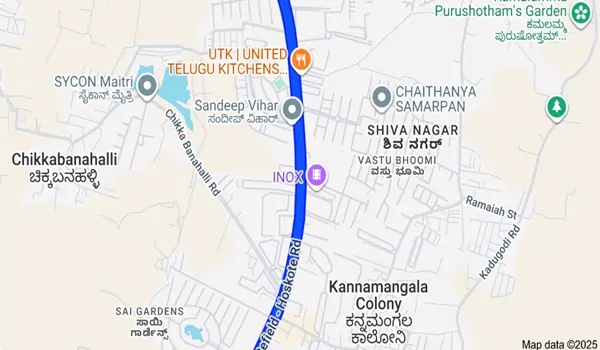
Modern housing projects use large-scale setups to keep their internal infrastructure safe. Look at the Brigade Granada project on Whitefield–Hoskote Road in East Bangalore. This 20-acre housing site uses big community softeners to handle the area's very hard groundwater. The system protects all 14 towers and 2,000 luxury flats from hard scale. It cleans the water in the main storage tanks. This stops pipe leaks inside the brick walls. A simple kitchen RO filter cannot do this large job.


Why Whole-House Water Softeners Outperform Localized RO Units


Whole-house water softeners beat kitchen RO units because they treat 100% of incoming water and stop scale in all walls. Centralized water softeners stop scale buildup before it enters your home lines by cleaning all water at the main entry point. This total coverage removes hard minerals like calcium and magnesium. These minerals stick to surfaces whenever water gets hot or moves through tight bends.

Individual RO systems cannot protect your home structure. They are only small units meant to supply drinking water to one kitchen faucet. An RO filter is excellent at removing small contaminants and heavy metals. But running all the water for a large house through a full-scale RO system wastes too much water. It also requires costly high-pressure pumps that cost too much money.

  • Total Pipe Care: Softeners clean 100% of incoming water to shield your lines.
  • Low Water Waste: Softeners waste very little water during self-clean cycles.
  • Safe for Metals: Softened water keeps a safe, balanced pH level for metal pipes.

The Financial Impact of Hard Water Scaling on Plumbing Lifespans


Hard water scale hurts your wallet by raising geyser power bills by 20% and cutting pipe life in half. Hard water scale destroys home plumbing by narrowing the space inside your pipes. It lowers the heating power of your home's geysers. Just a thin 1/8-inch scale layer makes a geyser use 20% more power. This constant extra heat weakens the metal tank over time. Then, the tank cracks and causes costly leaks.

Scale buildup also breaks expensive bathroom fixtures by clogging the small valves inside modern luxury showers. When hard water dries on these parts, it leaves chalky white crusts. The crust tears the rubber seals and causes constant leaks. It also ruins beautiful chrome finishes. Removing these minerals at the main entry line doubles the working life of your household appliances, taps, and hidden wall pipes.

Technical Comparison: Softening Plants vs. RO Systems


Feature Centralized Water Softening Plant Individual RO System (Point-of-Use)
Main Goal Completely stops hard scale buildup Removes metals, chemicals, and germs.
Pipes Protected Covers 100% of pipes, heaters, and taps Only protects the single kitchen faucet
How It Works Swaps hard minerals for soft sodium beads Forces water through a fine filter screen
Water Saving Very efficient with very low water loss Rejects up to 75% of incoming water
Simple Maintenance Needs simple salt refills once a month Requires new filter cartridges every few months.

Choosing the Ideal Strategy for Your Property


The best property strategy combines a main line softener for total pipe safety with a kitchen RO unit for pure drinking water. Using both systems together gives you clean drinking water and scale-free pipes.

  • Step 1: Test Your Home Water
  • Test your raw well or tank water to find the exact mineral hardness level in your area.
  • Step 2: Setup a Whole-House Softener
  • Install a centralized water softening plant right after your main pump to treat all water before it splits into the house.
  • Step 3: Put in a Drinking RO Filter
  • Place a small individual RO system under your kitchen counter to purify the water you use for cooking and drinking.
  • Step 4: Keep Up with Simple Refills
  • Add microfilm salt blocks to your softener tank once a month and change your kitchen RO filters twice a year.

Quick Tip: Do not try to solve a whole-house hard water problem with just a kitchen RO filter. It keeps your drinking water clean, but your hidden wall pipes will still clog with heavy scales.

FAQs


1. Does a kitchen RO filter protect my shower pipes?

No, a kitchen RO unit only treats water at the tap where you install it. The water going to your showers, toilets, and water heaters stays hard. Scale will still build up inside those pipes and ruin them.

2. Can I drink water straight from a water softener?

A water softener only removes calcium and magnesium to protect your skin, clothes, and pipes. It does not filter out bad chemicals or bacteria. You still need an RO filter for safe drinking water.

3. How does the water plan at Brigade Granada help residents?

Large projects like Brigade Granada use heavy-duty water softening plants at the main storage tanks. This ensures all water flowing to every apartment is soft. It stops pipe damage and saves owners from costly wall leaks.

4. Will soft water damage my copper pipes?

No, properly softened water does not ruin copper lines because it keeps a balanced pH level. Only pure RO water becomes aggressive enough to eat away at metal lines if run through a whole house.

5. How much work is it to maintain a whole-house softener?

It requires very little effort. You only need to add standard salt pellets to the storage tank once a month. The machine handles the rest of its cleaning automatically.

Brigade Granada Blog


Enquiry
Enquire Now