Setup process for the Brigade Granada homeowners association (HOA)

Featured Image of Setup process for the Brigade Granada homeowners association (HOA)


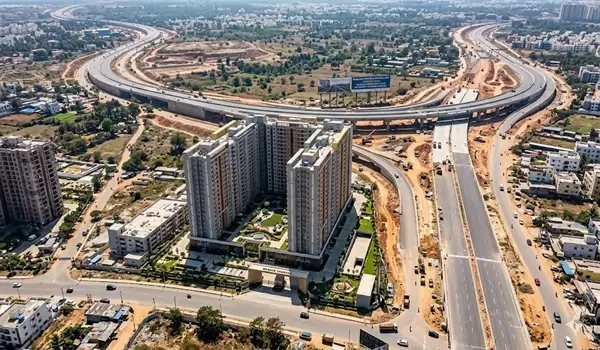
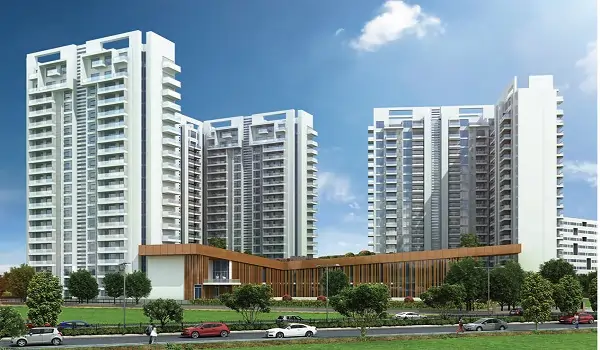
The setup process for the Brigade Granada homeowners association (HOA) must be executed in accordance with the Karnataka Apartment Ownership Act (KAOA) of 1972 to manage the 20-acre luxury development on Whitefield-Hoskote Road. This simple building group helps handle daily cleaning, shared land papers, and the big 50,000 sq. ft. clubhouse across all 14 tall housing towers. Setting up this resident group takes clear steps under real estate rules, checking big machines, and writing down clear community guidelines.

Homeowners who move into this huge project need to know how to take over from the builder. Passing power to an elected resident team takes clear legal steps. This guide covers the easy steps, the papers you need, and the money checks to run the group well in East Bangalore.

1. Legal Rules for the New Resident Group


The legal creation of the resident welfare body at Brigade Granada is guided by Section 11(4)(e) of the Real Estate (Regulation and Development) Act, 2016. This basic law says the builder must help start the resident group within three months after most people buy their flats.

Picking the right path allows the owners to manage the shared land safely for a long time. The team registers the papers at the local sub-registrar's office, so every buyer becomes a member automatically. This setup lets the group open bank accounts, hire clean-up staff, and make fair housing rules.

2. Step-by-Step Way to Form the Granada HOA


Forming the homeowner association takes a clear, step-by-step process to pass power safely from the builder over to the actual flat owners.

Step 1: Picking the First Temporary Team

When the homes are nearly ready, the first buyers meet to pick a small temporary team. This group has 5 to 7 volunteer owners who talk to the builder, list out all the buyers, and write down the first basic rules.

Step 2: Writing the Group Rules

The team writes down the everyday rules for the 20-acre property, like how to split the maintenance bills and how to use the shop zones. These notes show who will run the main committee, when to hold big yearly meetings, and how to handle late fees.

Step 3: Registering the Group Papers

Registration under the KAOA runs in two stages. The Deed of Declaration and the association's bye-laws are first registered at the jurisdictional Sub-Registrar's Office, the same office that handles your sale deed. True copies then go to the Competent Authority, which in Karnataka is the Registrar of Co-operative Societies. The filing normally includes:

  • The Deed of Declaration, signed by the owners.
  • The association's bye-laws.
  • Approved building plans with the project's survey and khata details.
  • Proof of the association's registered office address inside the project.
  • Government ID for the office bearers.

3. Important Papers to Take from the Builder


The elected management committee must do a full paperwork check before signing the final project takeover papers with the Brigade Group. The new team must check that all original, certified records are safe in the office files:

Building Maps and Plans

  • Final Structural Maps: Complete building plans for all 14 towers (showing 3 Basements + Ground + 24 Floors).
  • Wire and Pipe Maps: Detailed layouts of the power lines and water pipes across the property.
  • Drain Mappings: Clear prints of the storm water paths and underground sewage lines.

Safe Permits and Certificates

  • Occupancy Certificate (OC): The final paper from the city board showing the flats are safe to live in.
  • Fire Safety Paper: The updated check certificate from the local fire safety station.
  • Pollution Board Permits: The open licenses to run the waste machines and clean water plants.

4. Checking the Money and the Big Machines


Taking over the shared property and bank accounts requires a careful check so the resident association does not inherit unpaid bills or broken machines. The team needs a local accountant to check the large corpus funds held by the builder during work. This check makes sure all bank interest goes to the resident account and proves that all common area power bills are paid up to date.

At the same time, the group must hire experts to test the heavy gear. The following checklist details the items that require physical verification:

System Category Technical Check Required Handover Requirement
Backup Power Load testing on all diesel generators Smooth switch-over during blackouts
Water Utilities Flow-rate and water quality tests Full daily capacity for all units
Lifts & Elevators Safety certification and weight tests Active maintenance contracts and licenses
Recreation Spaces Physical inspection of pool and gym Zero structural damage or leaks

5. Setting Up Monthly Bills and Daily Work


Working out the monthly maintenance fees requires a clear formula that supports the premium amenities and large green spaces. The group splits the costs by using a flat fee or a rate based on square feet.

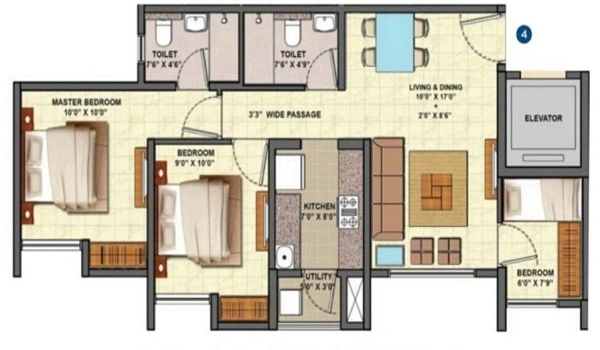
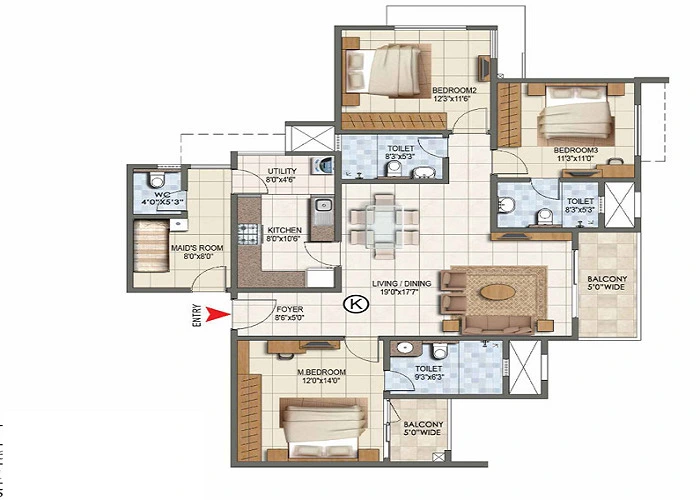
The table below breaks down the typical flat sizes within the community that dictate these calculations:

Unit Type Size Range (Sq. Ft.) Share Level
1 BHK 799 Base Rate
2 BHK 1,200 to 1,400 Medium Rate
3 BHK 1,600 to 1,950 Standard Rate
4 BHK 2,200 to 2,800 Premium Rate

This cash pays for 24/7 gate guards, smart tool fixes, lawn care for the 80% open spaces, and water tankers. The team manages this easily by using phone apps for society management. The software sends out quick bills, tracks gate guests, takes fix requests, and shows every owner where the cash goes.

FAQs


1. What is the legal time limit to form the HOA at Brigade Granada?

Under RERA rules, the builder must start the process to form the homeowners' association within three months from the date when the majority of the apartments are booked.

2. Can a flat owner choose not to join the association or skip maintenance payments?

No, joining the registered association is mandatory under the Karnataka housing laws. Every flat owner must pay the approved maintenance fees and follow the community rules.

3. Who owns the common areas before the formal handover happens?

The builder holds all common spaces and machines in trust while building. Once the project gets its final Occupancy Certificate and the association is registered, ownership moves to the resident body.

4. How are voting rights decided in a community with different flat sizes?

Voting rights are usually based on the land share size of the flat, meaning larger homes have a bigger vote, or by a simple one-vote-per-flat rule written into the bylaws.

5. What can residents do if the builder does not hand over the corpus fund interest?

The elected management committee can file an official complaint with the Karnataka RERA board to get back the missing corpus funds, interest money, or project documents.

Brigade Granada Blog


Enquiry
Enquire Now