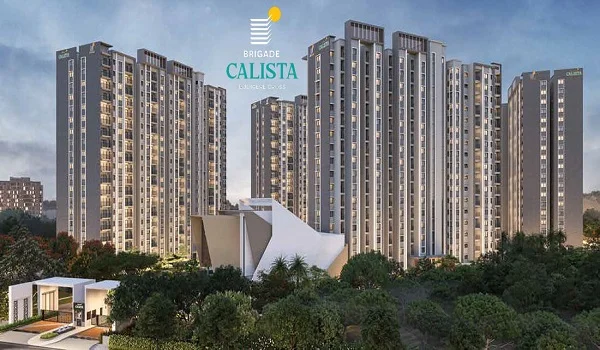
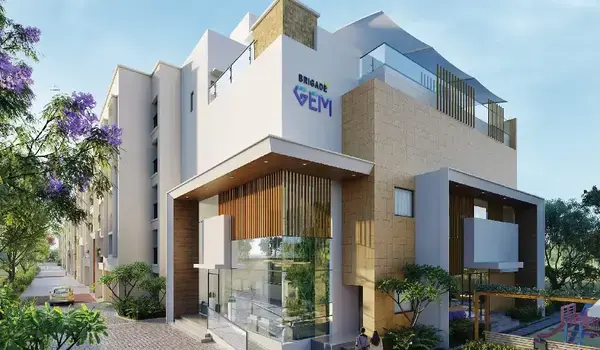
24 Floor Residential Building in Bangalore
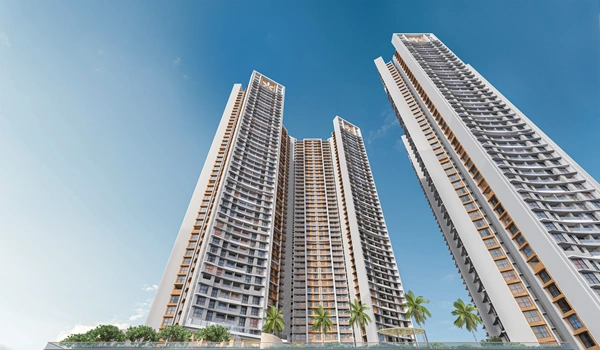
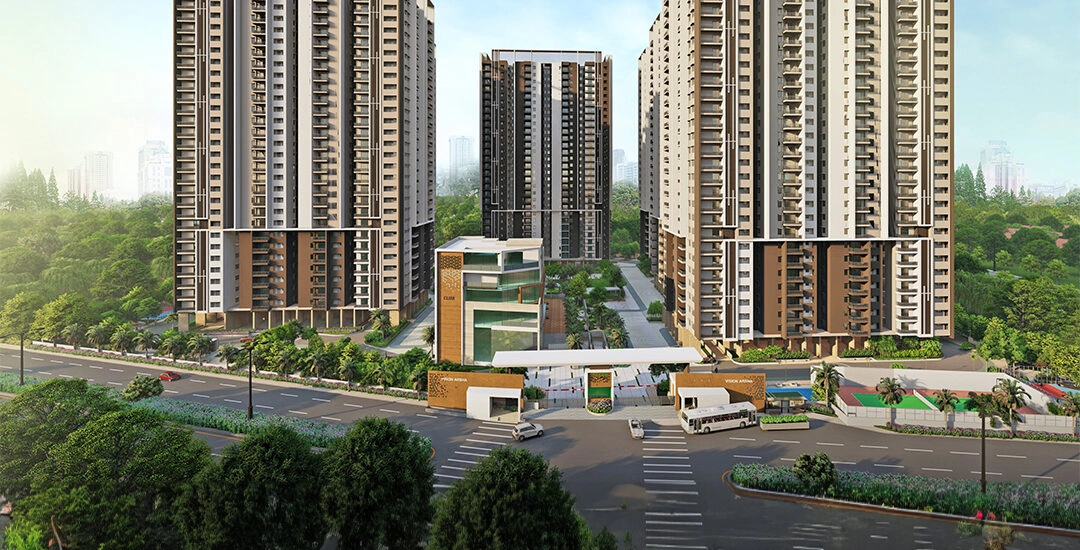
Featured Image of 24 Floor Residential Building in Bangalore

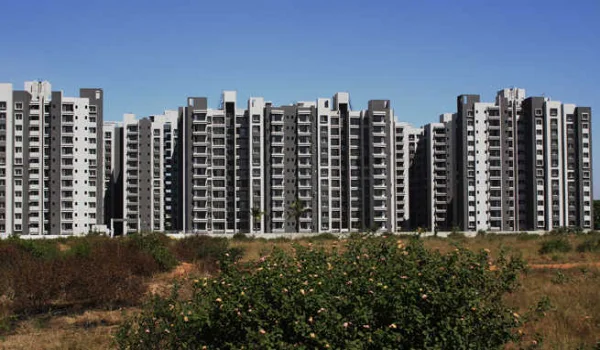
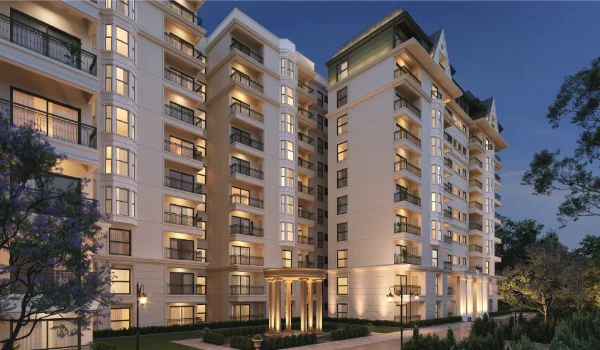
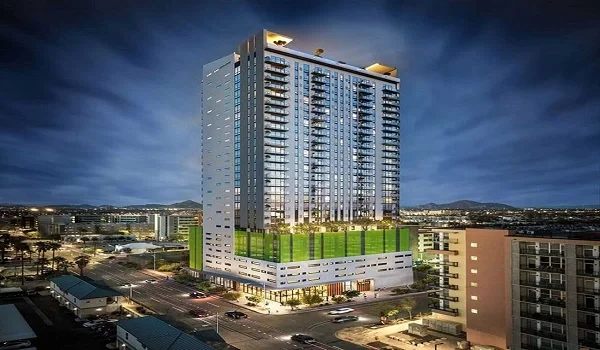
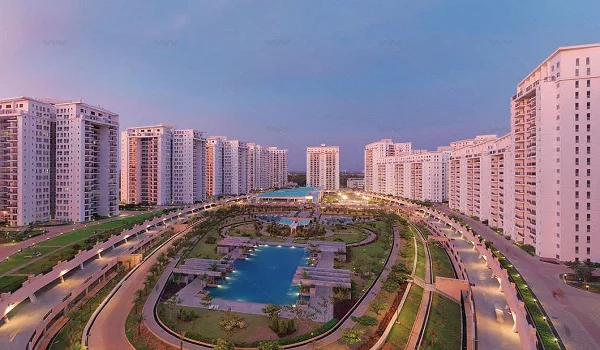
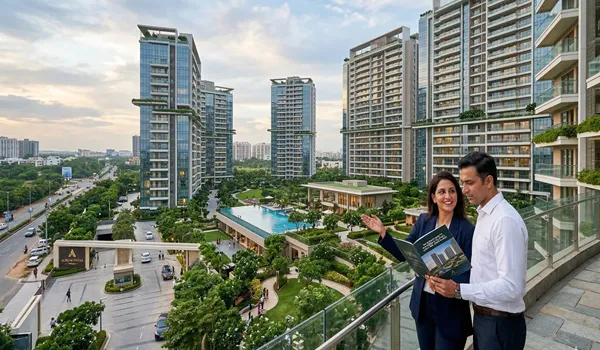
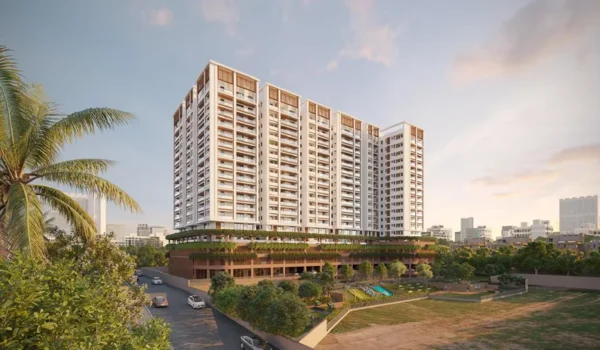
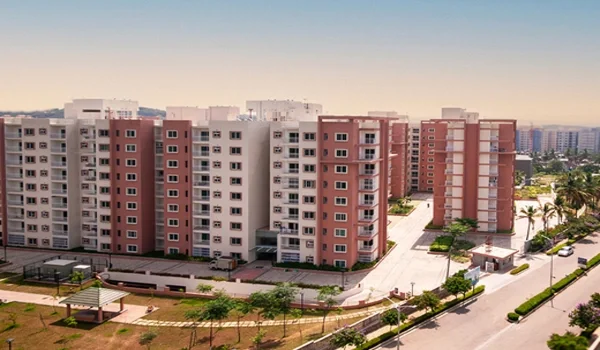
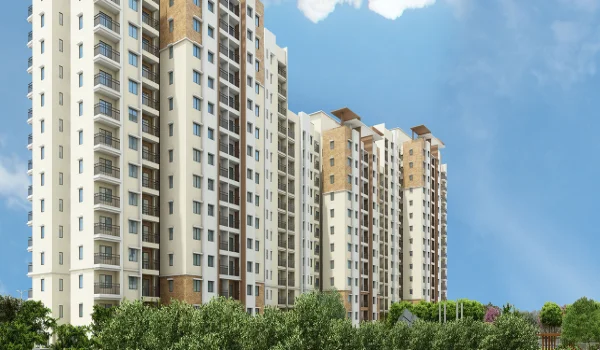
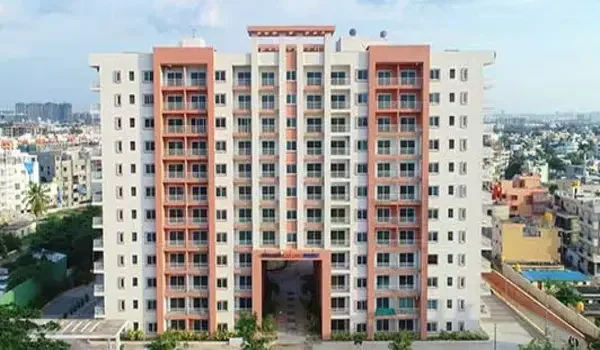
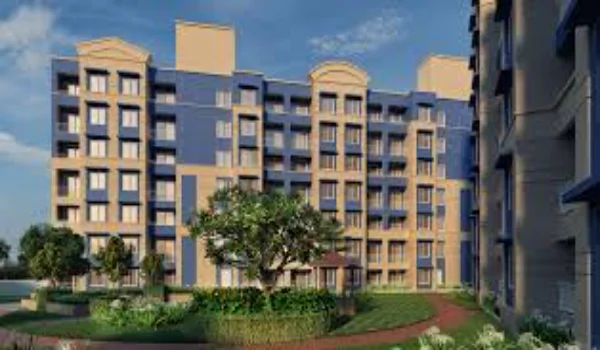
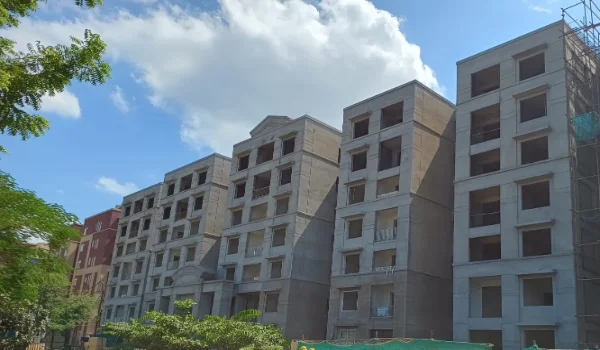
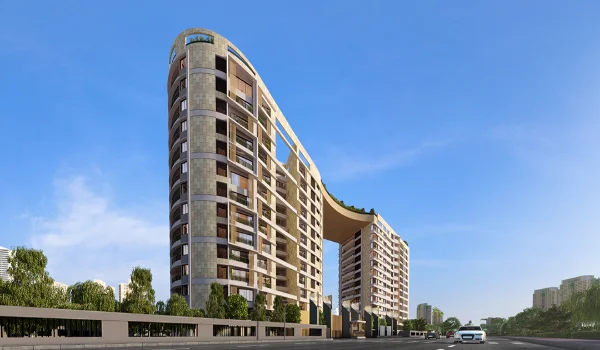
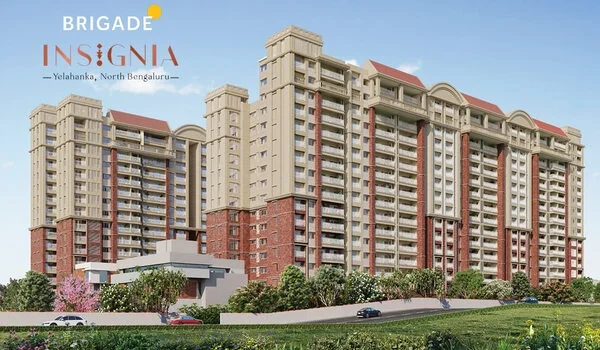
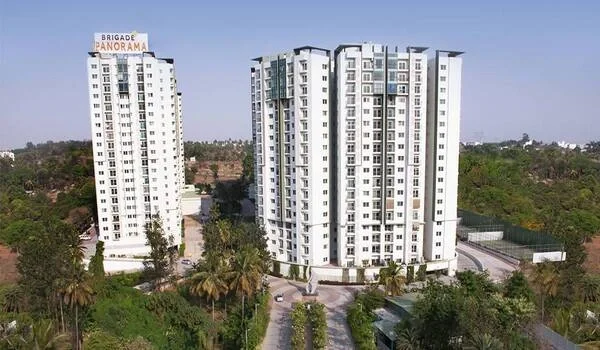
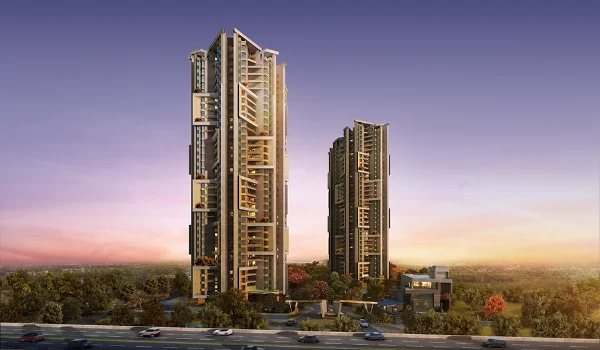
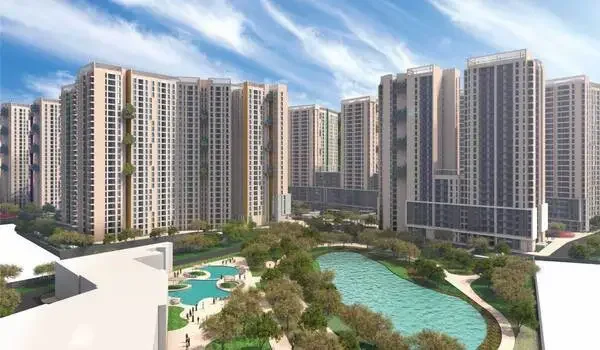
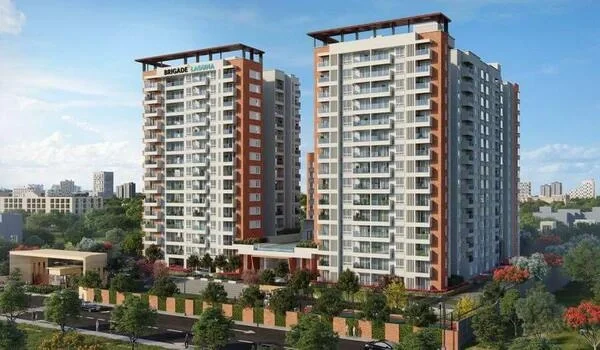
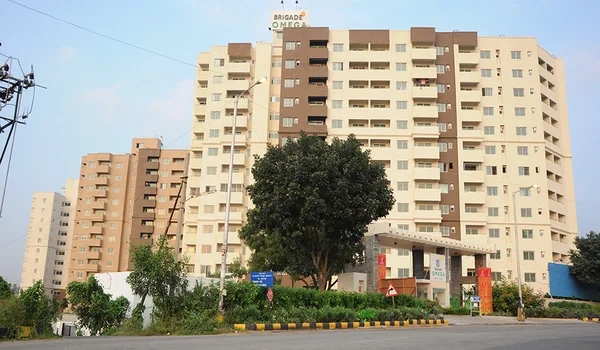
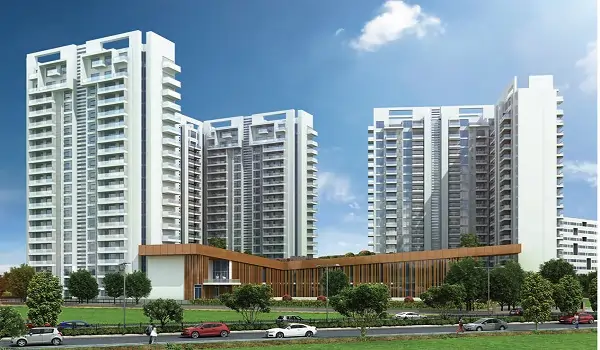
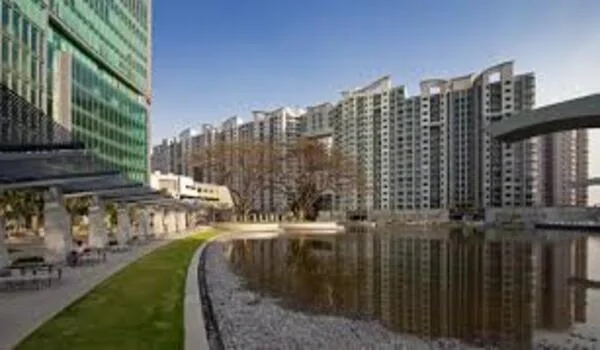
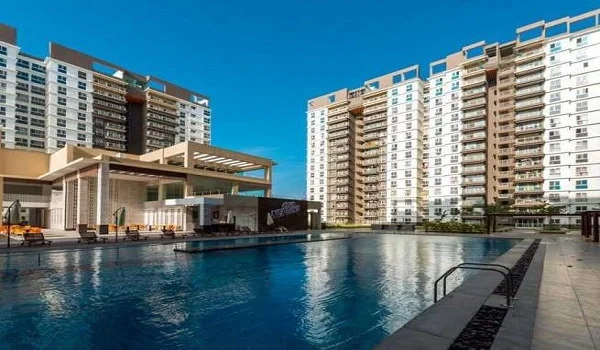
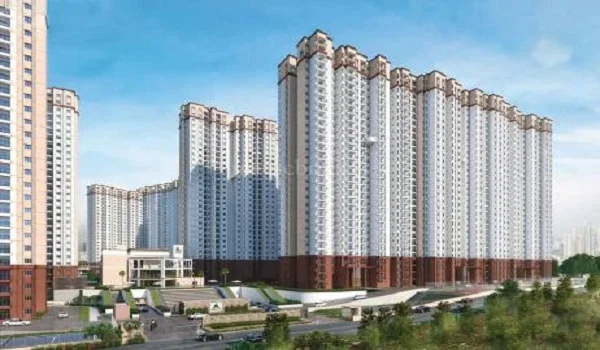
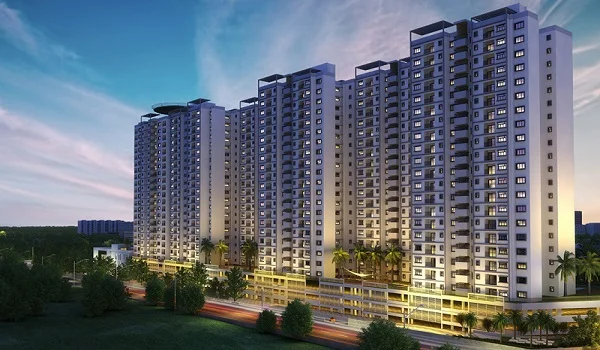
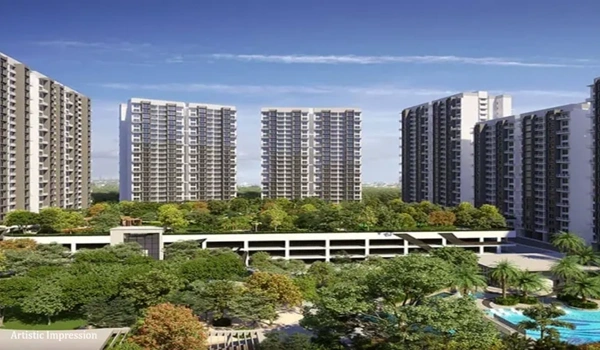
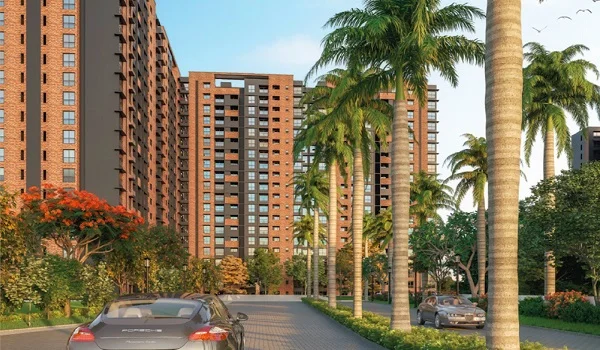
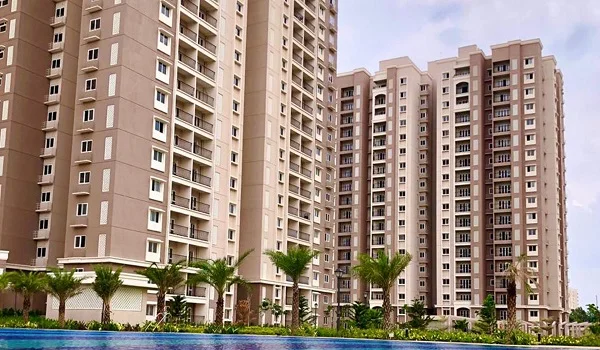
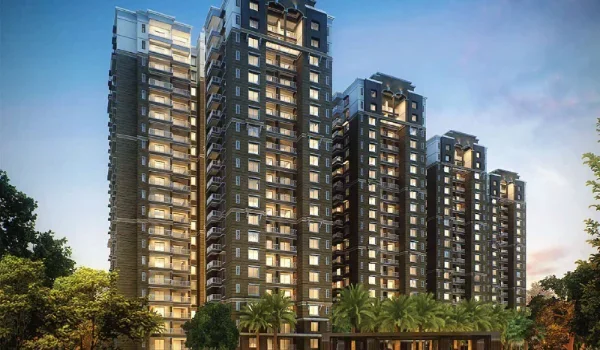
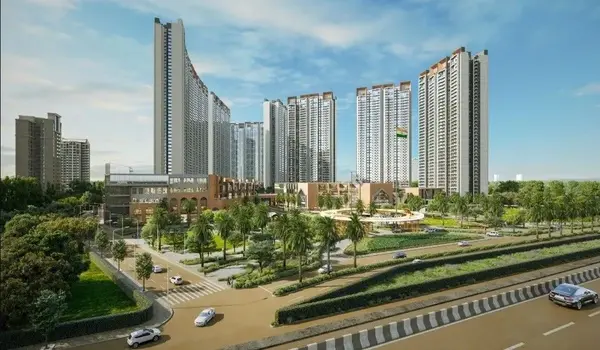
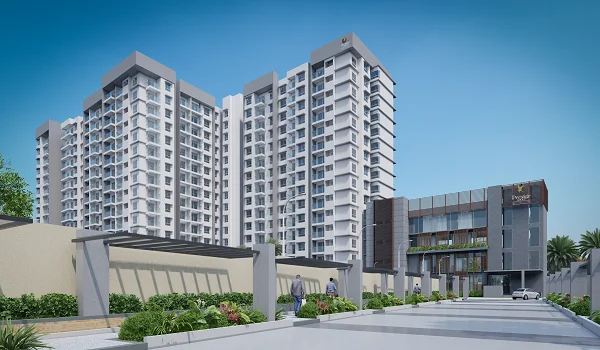
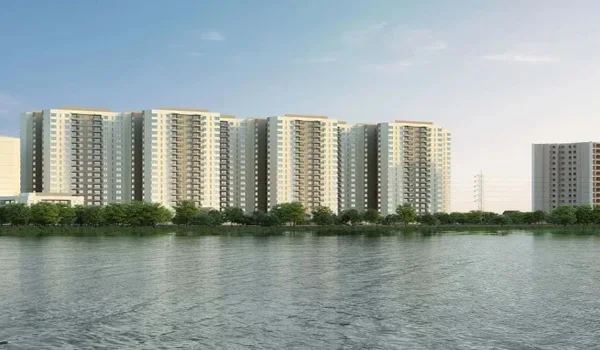
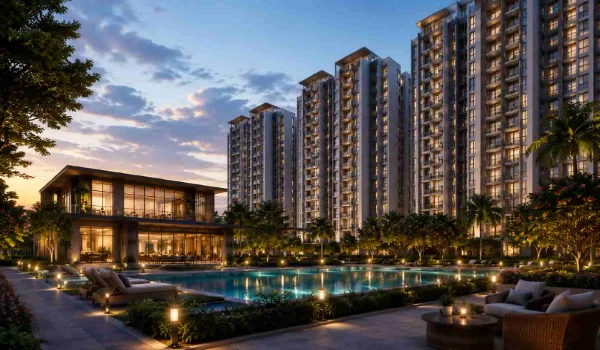
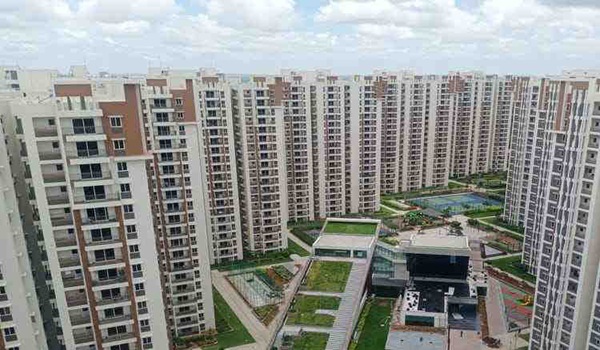
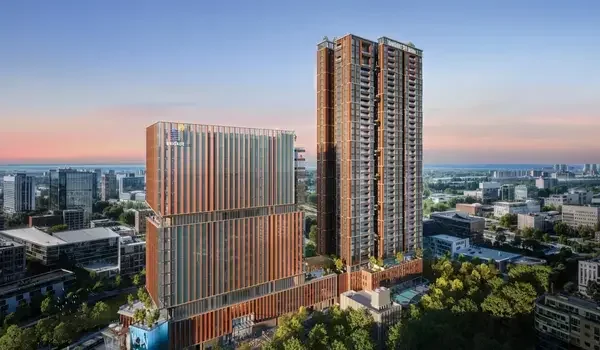
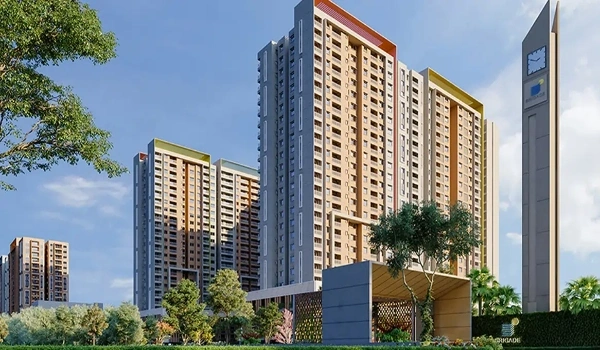
A 24-floor residential building in Bangalore is a type of tall apartment tower. It builds upward instead of spreading wide across the ground. These buildings are usually 72 to 77 meters tall. They must sit next to a wide road of at least 40 feet (12 meters), so fire trucks can move easily. By stacking homes into the sky, builders use very little ground space. They place the actual concrete structures on just 20% to 25% of the land. This leaves the remaining 75% to 80% of the plot completely free for parks, pathways, and green gardens.

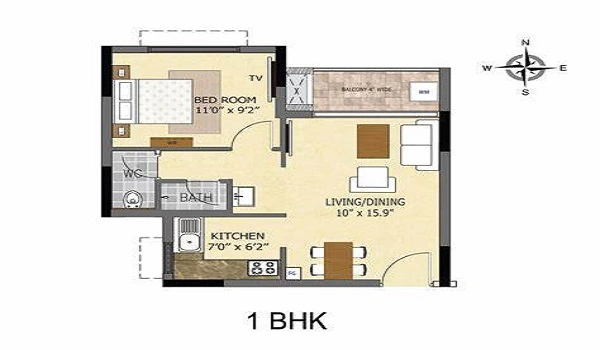
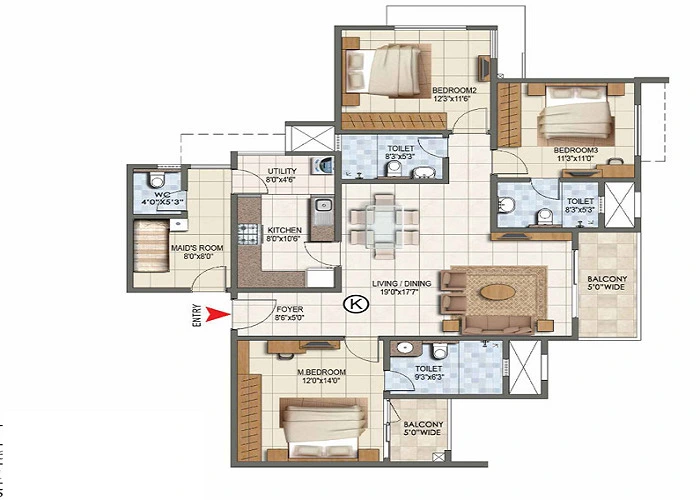
You can find these tall towers in busy IT hubs like Whitefield, Sarjapur Road, and Electronic City. They offer comfortable 2.5, 3, and 4 BHK flats. If you are looking at a 24-floor residential building in Bangalore for sale, prices typically start from Rs 1.40 Crore and go up to Rs 6.50 Crore. The exact price depends on the neighborhood, the building materials, and the floor level you choose.

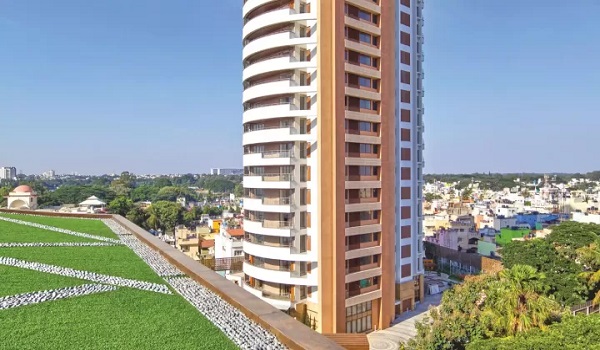
24 Floor Residential Building in Bangalore Price Guide


The cost of a high-rise home changes based on the area you pick and how high up your flat sits.

Average Prices by Major Neighborhoods

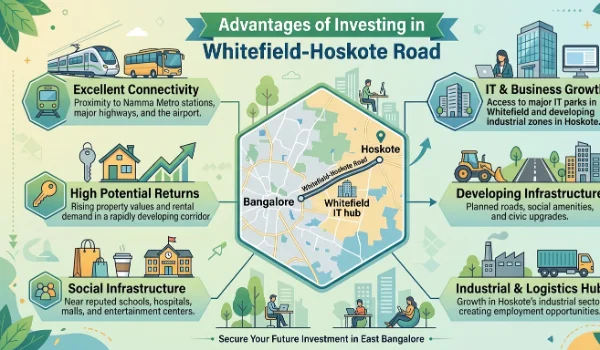
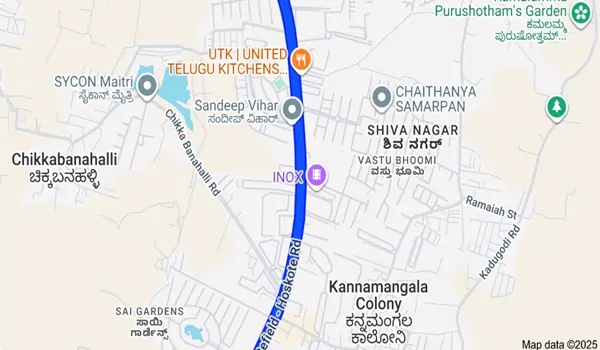
  • East Bangalore Corridor (Whitefield–Hoskote Road): This area offers great new spaces. For instance, entry-level 2.5 BHK flats start at Rs 1.45 Cr. Standard 3 BHK units cost around Rs 2.12 Cr, and large 4 BHK luxury homes go up to Rs 3.15 Cr.
  • North Bangalore Hubs (Hebbal, Thanisandra): Tall towers near the international airport road usually sell for between Rs 1.10 Cr and Rs 2.90 Cr.
  • Central Premium Areas (Koramangala, Indiranagar): Luxury penthouses at the top of established city areas command top rates from Rs 4.50 Cr to over Rs 12.00 Cr.

Understanding the Floor-Rise Fee

In tall projects, the exact same apartment costs more if it sits on a higher floor. Builders charge an extra fee per square foot called a "floor-rise premium." They do this because the upper levels offer a much better living experience.

Floor Level Range Extra Cost Per Sq. Ft. Main Benefits and Reasons
Lower Level (Floors 1 to 5) Base Price (No Extra Fee) Quick escape in emergencies, easy to use stairs, but you will hear more street-level traffic noise.
Middle Level (Floors 6 to 15) Extra Rs 150 to Rs 300 Better fresh air flow, clear views over nearby villas and trees, and good privacy from the street.
Sky Level (Floors 16 to 24) Extra Rs 350 to Rs 650+ Maximum clean air, less city dust, total freedom from traffic noise, and beautiful views of the skyline.

Smart Layouts and Open Ground Space


Living in a tall tower gives you much more open space on the ground than old, short apartment blocks.

Land-to-Building Ratios

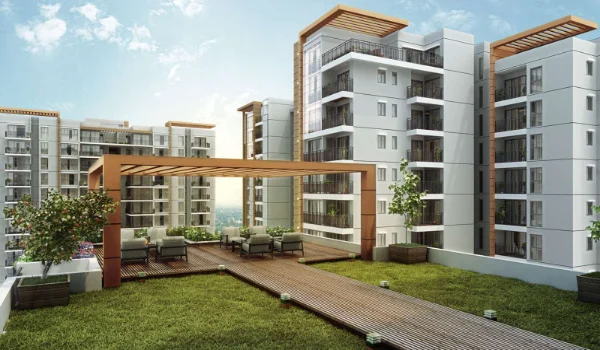
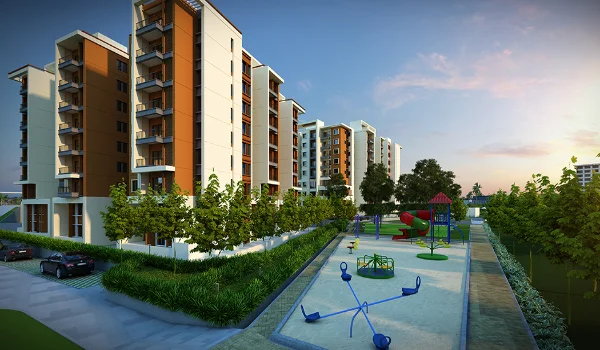
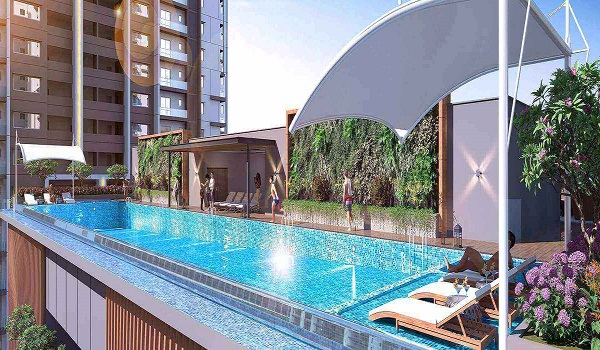
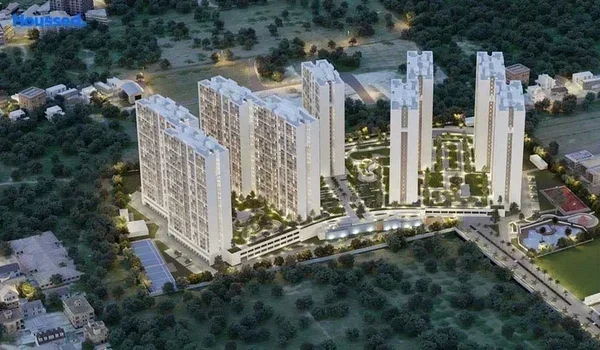
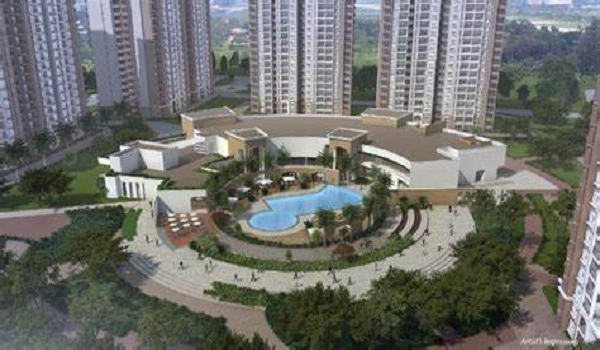
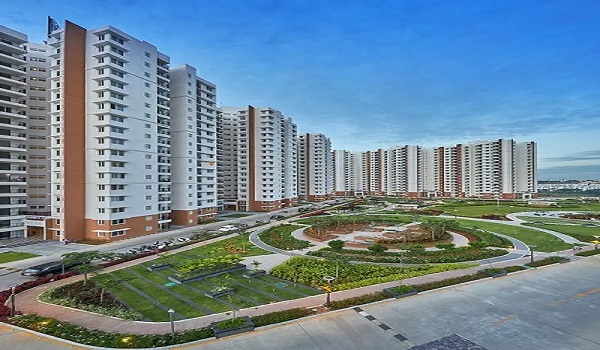
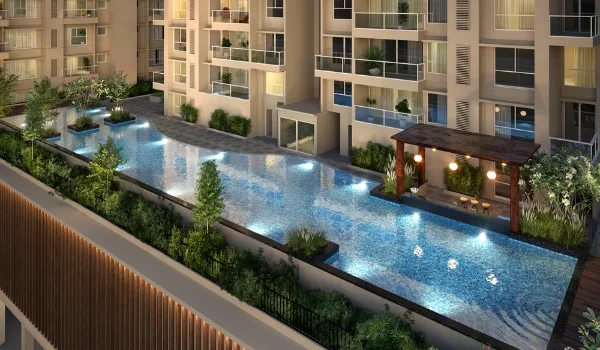
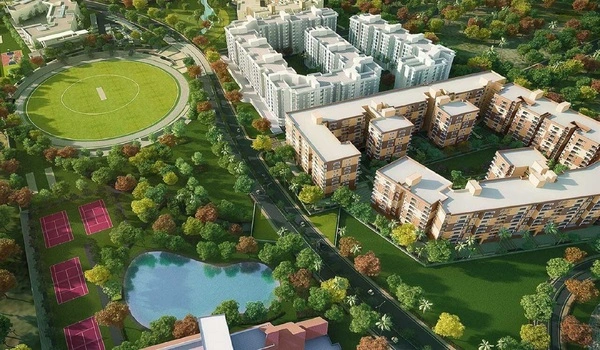
Old-style, short buildings spread out flat across the earth. They often cover up to 60% of the land plot with concrete slabs and driveways. A 24-story layout avoids this by stacking homes on top of each other. This keeps the building footprint down to just 20% of the ground space. The other 80% stays completely open for green gardens, kids' play parks, and long running tracks.

Sunlight, Fresh Air, and Cooler Temperatures

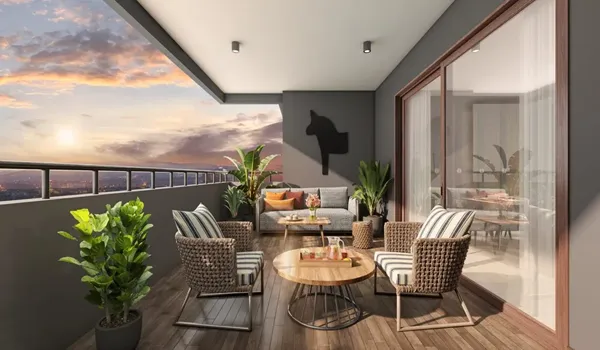
On higher floors like the 24th, the temperature is usually slightly cooler than the ground level. You also get better airflow, so fresh air moves easily through the home. Big windows bring in good natural light in the morning, which keeps the home bright during the day and helps save electricity. Since dust is mostly closer to the roads, higher balconies also stay cleaner.

Structural Engineering and High-Rise Safety


Building a safe 24-story skyscraper requires modern technology, high-grade materials, and careful planning.

Monolithic Mivan Aluminum Technology

Top builders do not use old red clay bricks, which can crack or leak over time. Instead, they use a modern system called Mivan aluminum formwork. Workers set up large aluminum molds for an entire floor's walls and ceilings at once. Then they pour high-strength fluid concrete (M60 grade) into the mold. This creates a solid, single-piece concrete structure with no joints. It makes the tower incredibly strong and completely proof against water leaks.

Wind Control and Earthquake Safety

  • Seismic Zone II Design: Bangalore has a very low risk for earthquakes. Even so, these tall towers are built with thick concrete core walls through the center to absorb sudden earth movements safely.
  • Strong Wind Protection: Engineering firms test models in wind tunnels. This ensures that the top floors can easily handle heavy monsoon winds up to 44 meters per second.
  • Fast and Safe Elevators: High-rises use fire-rated elevators that move fast at over 2.5 meters per second. They come with automatic backup power systems to safely drop you off at the nearest floor if the electricity cuts out.

Fire Safety and Emergency Systems


High-rise buildings follow strict safety laws set by the National Building Code (NBC) to keep families secure.

Emergency Exit Features

  • Two-Hour Fire Doors: The main doors to the apartments and stairwells are made of thick, reinforced steel. They can block dangerous smoke and resist intense heat for up to 120 minutes.
  • Pressurized Stairwells: The buildings have wide staircases for safe and easy exit during emergencies. Fresh air is pushed into these staircases using special fans. This creates air pressure that helps keep smoke out, so the escape routes stay clearer and safer to use.
  • Dedicated Fireman Lift: A separate elevator with its own power lines and fire protection is built into the center core. This allows emergency rescue teams to move quickly up and down the building if needed.

Water Pressure and Power Infrastructure


Managing utilities for hundreds of families living vertically requires advanced, industrial-grade systems.

Zoned Water and Power Systems

  • Hydro-Pneumatic Pumps: If you rely on basic gravity, water pressure will be weak on top floors and too strong on lower floors. High-rises solve this by using automated pressure pumps. These send water smoothly to different floor zones, keeping the water flow steady in every single tap.
  • Copper Busbar Lines: Thick insulated copper bars are used inside the building’s main utility area instead of loose wire bundles. This helps electricity flow safely and evenly to all floors and reduces the risk of short circuits.
  • Thick Acoustic Walls: Internal walls are built using 200 mm thick solid masonry blocks. These blocks absorb sound waves, keeping your home quiet and private from your neighbors.

Inside a 24-Story Tower: Floor-by-Floor Use


A 24-story residential tower works like a self-contained vertical village, where every level has a clear purpose.
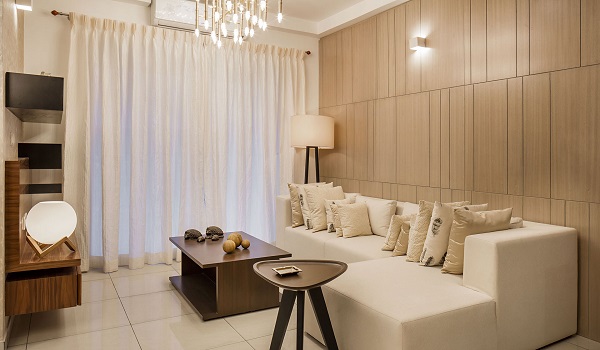
1. The Substructure and Basements: Levels 3B to 1B.

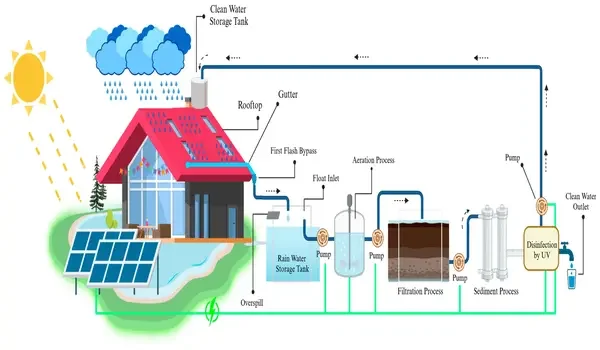
Massive concrete pillars drill deep into solid granite bedrock. This lower area holds secure resident parking bays, a large water recycling plant, and main rainwater storage tanks.

2. The Entrance Podium: Ground Level.

Features a grand, double-height entrance lobby for visitors. It sits on a thick concrete slab designed to support the weight of the entire tower.

3. The Lower and Mid-Home Zone: Floors 1 to 14.

These are normal residential floors with roomy apartments designed for comfortable living. The building is supported by strong concrete pillars, and the lifts are placed in a central area so you can easily reach them from any floor.

4. The Emergency Refuge Floor: Floor 15 Exclusively.

This is an open safety floor meant for emergencies. It has strong fire-resistant walls, clear exit signs, and a special system to supply fresh air. In case of danger, families can gather here safely.

5. The Sky Suites and Terrace: Floors 16 to 24 + Roof.

These are premium luxury flats and penthouses with big corner balconies. The rooftop has safety and utility setups like lightning protection, solar panels, and even a space for an emergency helicopter landing.

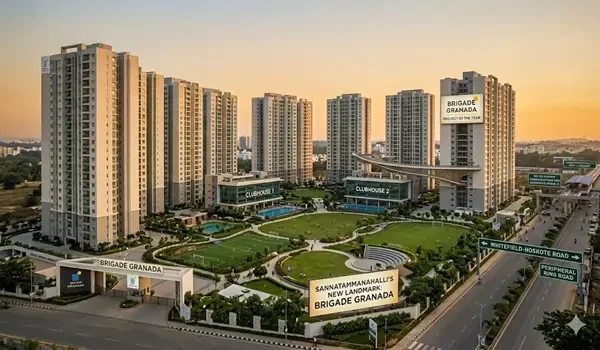
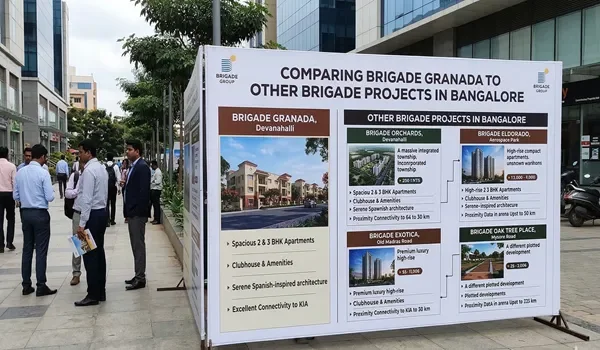
Brigade Group Prelaunch Project is Brigade Granada.

FAQs


1. What legal papers should I check before buying a high-rise flat in Bangalore?

Before buying, always make sure the project has a valid RERA number from the Karnataka government. Also, check important approvals like the building plan from BDA or BBMP, a fire safety NOC, and environmental clearance documents.

2. How do top floors get good water pressure in a 24-floor building?

Instead of old-style water tanks on the Roof, tall buildings now use modern pressure pump systems. These pumps send water evenly to all floors, so every apartment gets a steady and strong water supply.

3. Do higher floors have a better resale value in the long run?

Yes, apartments located above the 10th floor usually sell for higher prices later on. Future buyers are glad to pay extra for homes that offer permanent skyline views, better privacy, cleaner air, and freedom from street traffic noise.
4. How do deep basement parking levels stay dry during heavy monsoon rains?
The underground basements are built with thick, waterproof concrete retaining walls. They are also equipped with automatic industrial sump pumps. These turn on instantly to push rainwater out into the city's main storm drains during sudden downpours.
Enquiry
Enquire Now