Stay Ahead: Timely Updates and Real Estate Trends


Featured Image of Stay Ahead: Timely Updates And Real Estate Trends

The housing market is changing very fast. Technology, buyer needs, and loan interest rates keep changing, so it can be confusing to know the right price of a home. Now, you cannot just guess a property’s value. You need real local information to make a good decision.

Fresh numbers show that home price growth is slowing down to a very calm pace. At the same time, the supply of available homes has climbed by about 20% compared to last year. This extra supply gives buyers a lot more choices and breathing room. If you want to protect your money or find a great place to live, you must watch these new updates. This simple guide breaks down the biggest trends in plain English so you can make smart choices.


Finding True House Values: Simple Tech and Green Features


The way we find out what a house is worth has changed. People do not just look at old sales or walk through a building anymore. Today, smart computer programs look at thousands of local details all at once. This gives an instant, fair price.

Buyers also care a lot about saving energy. Homes with eco-friendly upgrades are now selling for 6% to 10% more than standard houses.

  • Fast Pricing: Computer tools help remove human bias. This makes it easier to see the real market price right away.
  • The Green Bonus: Houses with solar panels and good insulation hold their value much better over time.
  • New Goals: Modern buyers often pick smaller, highly efficient homes to keep their monthly bills low.

Market Split: Luxury Homes vs. Affordable Housing


Today’s housing market is clearly divided. Wealthy people are buying more luxury homes because they see property as a safe place to keep their money during uncertain times. This steady demand is helping luxury home prices go up.

At the same time, middle and lower-income families who want affordable homes are finding it difficult. Building costs are high, so there are fewer budget-friendly houses being made. Because of this low supply, prices stay high even when demand slows down.

Type of Home: What Drives the Market? Are There Many Choices? Price Outlook

Luxury Homes Cash buyers, richer lifestyles Very few choices Prices stay high

Mid-Range Homes Good schools, nearby jobs Some choices Prices stay steady

Budget Homes, High land costs, interest rates , Not enough choices , Prices stay firm

The New Hot Spots: Moving to Smaller Towns


More buyers are turning away from crowded, expensive mega-cities. High prices in big cities are pushing both builders and families toward smaller nearby towns.

These smaller areas are showing the healthiest growth. They offer more breathing room, cheaper land, and a good lifestyle for less money.

  • Smarter Suburbs: Outer neighborhoods are turning into self-contained towns with their own shops, clinics, and parks.
  • Job Growth Follows: More businesses, warehouses, and data hubs are moving outside big cities, creating local jobs.
  • Better Deals: Smart buyers are finding better rental income and higher long-term growth in these growing towns.

Mortgage Rates and Your Budget


Interest rates are still the biggest factor for anyone trying to buy a home. Many people hoped rates would drop fast, but steady inflation keeps borrowing costs high.

The average rate for a standard 30-year fixed loan has leveled out between 6.1% and 6.3%. While this is higher than the low rates of the past, the stability makes it easier to plan your budget.

  • Better Income: Average household wages are going up. This helps families handle monthly housing costs a bit better.
  • Room to Talk: Because rates are steady, sellers are becoming more realistic about their asking prices.

  • Price Drops: About 6% of sellers are lowering their initial prices to attract serious buyers.

Young Families and the Rental Market Reality


The way people live and rent is shifting across the globe. A massive number of people are staying in rental properties longer because buying a home requires more upfront capital.

In major countries, almost one-fifth of the entire population now lives in the private rented sector. This demand is shifting who renters actually are.

  • Aging Tenants: Renting is no longer just for college students. The biggest growth in renting is among adults in their 30s.
  • Raising Families: More young couples are now raising their children in rental properties instead of buying immediately.
  • Space Issues: Because rental demand is sky-high, tenants are paying more per square meter while dealing with tighter living spaces.

Fresh Market News: What is Happening Right Now


Recent updates show two major forces are keeping the real estate market steady.

Local Business Money Keeps the Market Safe

More local big investors and family-run funds are now putting money into real estate. In the first few months of the year, local real estate investment reached about $1.6 billion, which is around 26% higher than last year. This strong local investment helps keep the property market stable, even when global economic conditions are uncertain.

Low Supply Prevents a Housing Crash

Many people worry about a sudden housing crash, but experts say that will not happen. The market is simply balancing out. Right now, there is only about a 3.7 to 4.1-month supply of homes for sale. A balanced market needs a 6-month supply. Because there are still more buyers than available homes, prices will not tumble.

Global Investment Shift: Tech Stocks to Brick and Mortar


A brand new trend is changing where big investment money goes. Major financial reports show that top global investors are pulling their money out of volatile technology stocks. Instead, they are moving this money back into real-world assets like property.

This shift creates a very healthy pipeline of new capital for building and development projects.

  • Seeking Safety: Investors want traditional, stable asset classes to protect their wealth from sudden stock market swings.
  • Data Centers Boom: Big real estate firms are investing heavily in data centers to support global AI growth, blending property with infrastructure.
  • Private Funding Growth: Family offices and private wealth groups are stepping up to fund new housing projects, replacing traditional banks.

Simple Playbook for Buyers and Sellers


To make a smart move today, you need a clear, step-by-step plan. Forgetting guesswork and focusing on real numbers is the safest way to protect your money.

1. Check Local Supply First: Look at availability.

Find out how many homes are for sale in your target neighborhood. Avoid areas where too many homes sit empty for months.

2. Compare Prices Digitally: Find the true value.

Use online tools to see what nearby homes actually sold for, not just what sellers ask. Look for energy-saving features to lower your bills.

3. Get a Fixed Mortgage Rate: Lock in your loan.

Get a fixed-rate loan so your monthly payments never change. This protects your budget from sudden economic shifts.

4. Choose Location Over Size: Make your choice.

Pick a home near steady jobs, good transport, or growing local businesses. A great location always holds its value best.

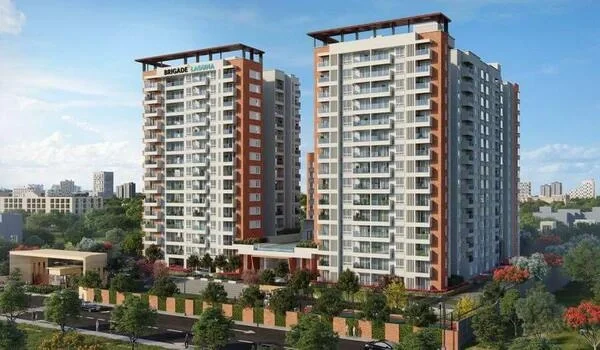
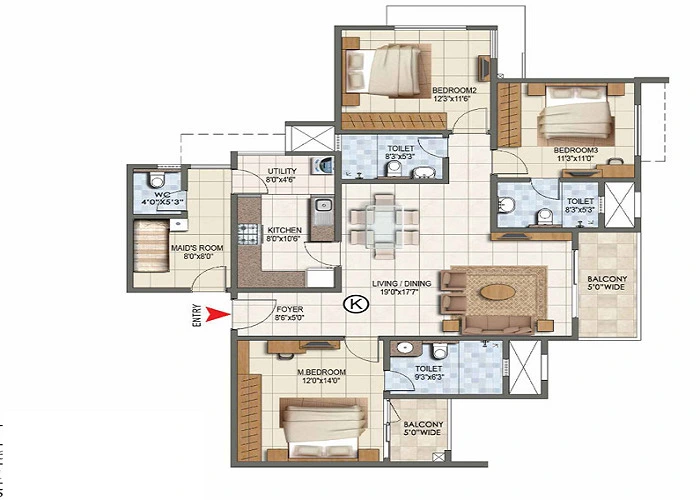
Brigade Group Prelaunch Project is Brigade Granada.

FAQs


1. Is the housing market going to crash soon?

No, a housing crash is very unlikely. There are simply not enough homes for sale right now to cause a crash. With supply sitting tightly under 4.1 months, steady demand keeps prices stable.

2. Why are prices still high if fewer people are buying?

Prices stay up because the supply of homes is incredibly low. Also, many wealthy buyers are purchasing premium homes with cash, which keeps average market values high.

3. How does technology change my home's value?

Modern appraisal tools use smart programs to scan local trends and recent neighborhood sales. This gives banks and buyers a fast, fair, and highly accurate look at what a home is worth.


4. Where is the safest place to buy property right now?

Growing smaller towns and outer suburbs offer the safest options. These areas have lower prices, better room for growth, and are attracting new businesses.

5. What should I expect with mortgage rates for the rest of the year?

You should expect mortgage rates to stay steady around the 6.1% to 6.3% mark. While this requires a careful budget, the steady landscape means you can plan your monthly expenses without surprises.

Enquiry
Enquire Now